
Close Menu
  • Just In
  • Wealth
  • Lifestyle
  • Travel
  • Culture
  • Wellness
  • Auto
  • Tech
  • Sports
  • Stories
What's Hot

Justice as a Puppet Show: The Anatomy of the Kangaroo Court

November 18, 2025

Exclusive: Samsung’s “Unremovable” AppCloud Software Sparks Surveillance Fears in WANA, Amid Broader Tech Scandals

November 18, 2025

Fast Fashion Is Hurting the Planet — But Thrifting Can Help Us Break the Cycle

November 14, 2025

Subscribe to Updates

Get the latest creative news from FooBar about art, design and business.

Facebook X (Twitter) Instagram
Nupital MagazineNupital Magazine
  • Just In
  • Wealth
  • Lifestyle
  • Travel
  • Culture
  • Wellness
  • Auto
  • Tech
  • Sports
  • Stories
Nupital MagazineNupital Magazine
Home » Fast Fashion Is Hurting the Planet — But Thrifting Can Help Us Break the Cycle
Personal Styling & Trends

Fast Fashion Is Hurting the Planet — But Thrifting Can Help Us Break the Cycle

By Yu PingNovember 14, 2025No Comments3 Mins Read
Facebook Twitter Pinterest LinkedIn Tumblr Email
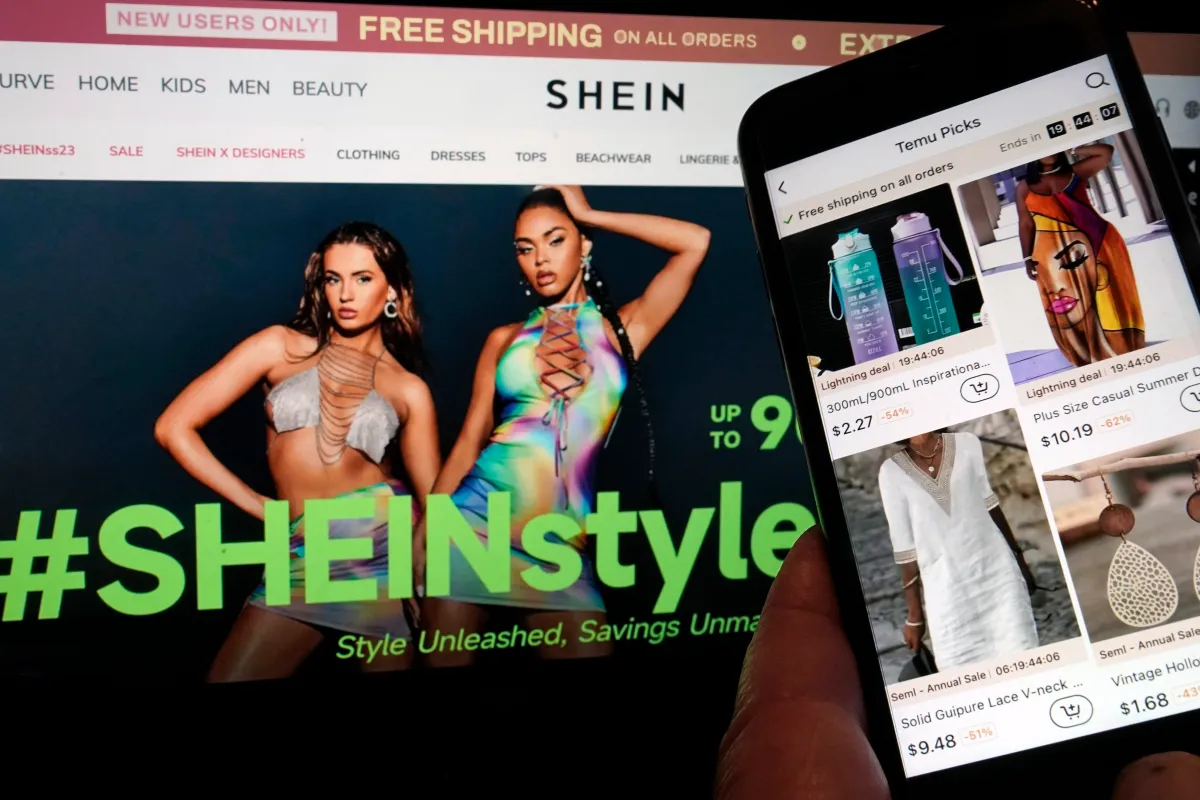
Shein portal
Share
Facebook Twitter LinkedIn Pinterest Email Copy Link

Fast fashion continues to dominate global wardrobes with its promise of low prices and endless trends. But behind every viral haul is a heavy environmental cost — and an industry built on overproduction, waste, and exploitation. The good news? A growing shift toward thrifting and sustainable shopping is giving conscious consumers a real way to fight back.

The Hidden Cost of “Cheap” Clothing

Platforms like Shein and Temu offer thousands of new styles every day, but the true cost is far greater than the price tag. Producing millions of low-quality garments every week requires enormous amounts of energy, water, and raw materials. For example, a single pair of jeans uses nearly 2,000 gallons of water — water that is wasted if the item is barely worn.

And it doesn’t stop there. Garment workers across the world are paid shockingly low wages, with some U.S. workers documented earning as little as $1.58 an hour. The pressure to mass-produce adds to unsafe working conditions and systemic exploitation.

The result? Clothes that fall apart after a few washes and 92 million tons of waste ending up in landfills every year.

Thrifting: Affordable, Stylish and Climate-Friendly

One of the best solutions is simple: buy less, and buy secondhand.

In many neighborhoods — including the writer’s own in St. Paul — local thrift shops and sustainable boutiques offer one-of-a-kind pieces with far better longevity than fast-fashion alternatives. For many young people, thrifting is not just a money-saver but a way to develop personal style.

Jessica Esterez-Rhodes, owner of Stitch and Styles, has seen firsthand how secondhand shopping can inspire creativity. “It’s given me a unique, one-of-a-kind sense of style since I was really young,” she says.

Buying pre-loved clothing reduces demand for new production and keeps perfectly good pieces out of landfills. As Esterez-Rhodes puts it, “We can recycle fashion — and others can enjoy it too.”

Local, Ethical Shops: Quality That Lasts

For those who prefer new garments, local ethical boutiques offer a powerful alternative to disposable fashion. These stores focus on quality materials, fair wages, and long-lasting designs.

Jill Erickson, owner of Spoils of Wear, believes consumers underestimate the value of independent shops. “What’s undervalued in every shopping space, including sustainable fashion, is local brick-and-mortar shops,” she explains.

While ethical fashion may cost more upfront, the cost per wear is often far lower because the pieces are made to last.

Accessibility Matters — And Online Resale Helps

Not everyone has access to local thrift or ethical stores. That’s where digital resale platforms like Depop, Vinted, and ThredUp come in, making sustainable choices available to anyone with an internet connection.

These platforms are especially helpful for shoppers looking for inclusive sizing, rare styles, or budget-friendly options — all while keeping clothing in circulation instead of in the trash.

Small Choices, Big Impact

It’s easy to feel overwhelmed by global environmental issues, but fashion is one area where individual actions truly add up.

  • Buying jeans secondhand saves 2,000 gallons of water.
  • Shopping local supports fair labor and small businesses.
  • Skipping one fast-fashion purchase reduces textile waste.

Before clicking “Buy Now” on the cheapest option online, it’s worth asking: Can I find this secondhand? Can I support a local maker instead?

Because sustainable style isn’t just a trend — it’s a movement toward a healthier planet and a more ethical fashion future.

Apparel earth Fashion lifestyle Sustainability
Share. Facebook Twitter Pinterest LinkedIn Tumblr Email
Yu Ping

Related Posts

Belém Becomes the Center of the World: COP30 Opens in the Heart of the Amazon

Featured

The 2025 Gentleman’s Code: Mastering Smart Casual

Personal Styling & Trends

The Digital Vanguard: The 15 Most Coveted Luxury Brands of 2025

High Fashion & Couture

Top Beauty Brands Every Indian Abroad Swears By

Personal Styling & Trends
Economy News
Featured

Justice as a Puppet Show: The Anatomy of the Kangaroo Court

By ashanNovember 18, 2025

In the shadow of legitimate legal systems exists a perverse imitation of justice: the kangaroo…

Exclusive: Samsung’s “Unremovable” AppCloud Software Sparks Surveillance Fears in WANA, Amid Broader Tech Scandals

November 18, 2025

Fast Fashion Is Hurting the Planet — But Thrifting Can Help Us Break the Cycle

November 14, 2025
Top Trending
Featured

Justice as a Puppet Show: The Anatomy of the Kangaroo Court

By ashanNovember 18, 2025

In the shadow of legitimate legal systems exists a perverse imitation of…

Just In

Exclusive: Samsung’s “Unremovable” AppCloud Software Sparks Surveillance Fears in WANA, Amid Broader Tech Scandals

By adminNovember 18, 2025

BEIRUT – Growing digital surveillance concerns across West Asia and North Africa (WANA)…

Personal Styling & Trends

Fast Fashion Is Hurting the Planet — But Thrifting Can Help Us Break the Cycle

By Yu PingNovember 14, 2025

Fast fashion continues to dominate global wardrobes with its promise of low…

Subscribe to News

Get the latest Lifestyle Update

Advertisement
Your Ad Here
  • Facebook
  • Twitter
  • Instagram
  • Pinterest
Your Ad Here
Top Posts

The Trillion-Dollar Web: How U.S.-GCC Deals Fuel Israel’s War Machine & Rothschild Profits

June 14, 2025738 Views

Colonialism: Exploitation, Settler Colonies, and the Brutal Suppression of Indigenous Peoples

June 14, 2025270 Views

The BDS Movement: A Global Stand Against War Profiteering and Zionist Oppression

June 14, 202582 Views

The Fastest Growing and Declining Jobs in 2025

September 29, 202560 Views
Don't Miss
Featured

Justice as a Puppet Show: The Anatomy of the Kangaroo Court

By ashanNovember 18, 2025

In the shadow of legitimate legal systems exists a perverse imitation of justice: the kangaroo…

Exclusive: Samsung’s “Unremovable” AppCloud Software Sparks Surveillance Fears in WANA, Amid Broader Tech Scandals

November 18, 2025

Fast Fashion Is Hurting the Planet — But Thrifting Can Help Us Break the Cycle

November 14, 2025

Belém Becomes the Center of the World: COP30 Opens in the Heart of the Amazon

November 14, 2025
Stay In Touch
  • Facebook
  • Twitter
  • Pinterest
  • Instagram
  • YouTube
  • Vimeo

Subscribe to Updates

Get Update.

Your Ad Here
Nupital Magazine
Facebook X (Twitter) Instagram Pinterest Vimeo YouTube
  • Just In
  • Wealth
  • Lifestyle
  • Travel
  • Culture
  • Wellness
  • Auto
  • Tech
  • Sports
  • Stories
© 2025 Nupital Magazine -Designed by ABAB Technologies.

Privacy Policy | Terms & Conditions

Type above and press Enter to search. Press Esc to cancel.