

Where Iran Stands — and Why Oil Could Hit $120/Barrel


4
✍️ Nupital Magazine | Energy, Wealth & Geopolitics
Beneath the headlines of the ongoing geopolitical tensions, one truth remains constant: oil is both abundant underground and fragile above it. The global economy still runs on crude—and the countries controlling it shape markets, currencies, and power itself.
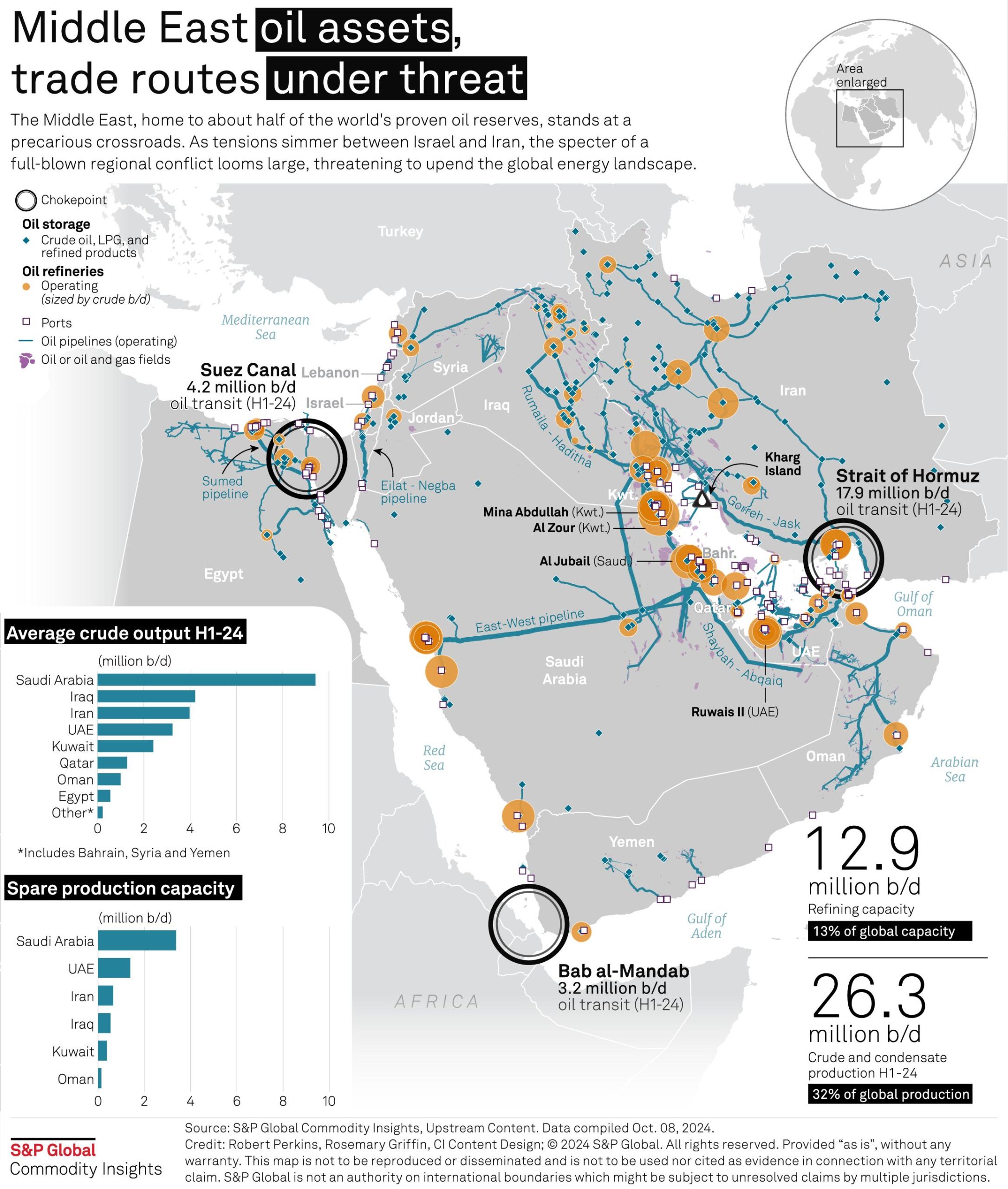
As tensions rise around the Strait of Hormuz, investors and policymakers are closely watching who holds the oil—and who can actually produce it.
🛢️ Top 20 Countries by Proven Oil Reserves (2026)
Based on latest global estimates:
- 🇻🇪 Venezuela – ~303 billion barrels
- 🇸🇦 Saudi Arabia – ~267 billion
- 🇮🇷 Iran – ~208–209 billion
- 🇨🇦 Canada – ~163 billion
- 🇮🇶 Iraq – ~145 billion
- 🇦🇪 UAE – ~113 billion
- 🇰🇼 Kuwait – ~102 billion
- 🇷🇺 Russia – ~80 billion
- 🇺🇸 United States – ~74–83 billion
- 🇱🇾 Libya – ~48 billion
- 🇳🇬 Nigeria – ~37 billion
- 🇰🇿 Kazakhstan – ~30 billion
- 🇨🇳 China – ~28 billion
- 🇶🇦 Qatar – ~25 billion
- 🇧🇷 Brazil – ~13 billion
- 🇩🇿 Algeria – ~12 billion
- 🇦🇴 Angola – ~8 billion
- 🇪🇨 Ecuador – ~8 billion
- 🇲🇽 Mexico – ~6 billion
- 🇳🇴 Norway – ~5 billion
👉 Iran ranks #3 globally, holding nearly 12% of the world’s total proven reserves
⚖️ Reserves vs Reality: The Great Oil Paradox
Here’s where the real story begins.
- Countries like Iran, Venezuela, and Russia have massive reserves
- But sanctions, infrastructure issues, and geopolitics limit output
- Meanwhile, the United States leads production (~13 million barrels/day) due to shale innovation
👉 Result:
Having oil ≠ controlling the market
📈 Oil Price Shock: Why $120/Barrel Is Back on the Table


4
Since the escalation of tensions:
- Brent crude surged above $80 (up ~10–13%)
- WTI crude climbed near $74 after weeks at $67–70
🚨 What’s Driving the Spike?
- Strait of Hormuz handles ~20–25% of global oil trade
- Any disruption = immediate supply shock
- War risk adds a “geopolitical premium” to prices
🔮 Forecasts
- $100–120/barrel → likely if disruption continues
- $150+ → extreme escalation scenario
- Short-term spikes of $15–20 expected
Major banks warn that storage limits and supply chain breakdowns could accelerate the surge.
🌐 The Hidden Power: OPEC’s Dominance
- OPEC nations control 60%+ of global oil reserves
- Middle East remains the core of global energy security
Yet, the paradox persists:
The world depends on oil-rich nations—but fears their instability.
💡 Investment Insight (Nupital Angle)
For investors and wealth planners, this is not just energy news—it’s a macro opportunity:
🔐 Defensive Plays
⚡ Risk Signals
- Shipping disruptions
- Sanction escalations
- Strategic reserve releases
🌍 Strategic Shift
If sanctions ease on Venezuela, the world’s largest reserve holder, it could cool prices and rebalance supply.
🧠 Final Take
The global oil map is clear:
- Venezuela has the most oil
- Saudi Arabia controls supply discipline
- Iran sits at the center of geopolitical risk
And markets?
They don’t move on reserves alone—they move on fear, flow, and friction.