





How Classic Style Captivated a New Generation




4
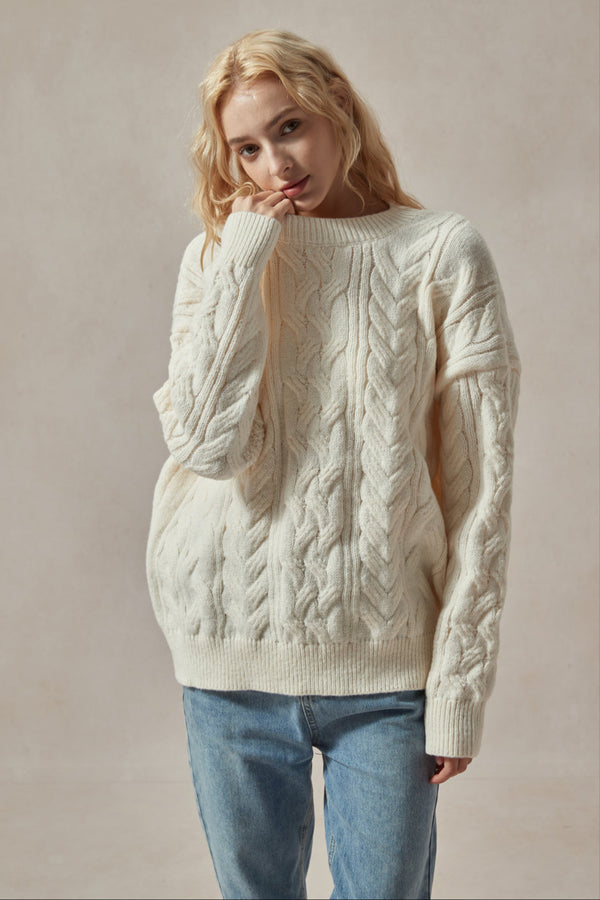
The understated elegance of navy blazers, cable-knit sweaters, crisp Oxford shirts, pearl studs, and polished leather loafers has surged back into contemporary fashion with remarkable force. The “old money” aesthetic—once the discreet visual language of hereditary wealth—has been enthusiastically embraced by Millennials and Gen Z across Instagram, TikTok, and Pinterest.
On TikTok alone, the hashtag #OldMoney has generated hundreds of millions of views, while Instagram hosts well over a million posts tagged with the term. What began as a niche mood-board trend has evolved into a full-fledged cultural movement—one that reflects changing economic realities, sustainability concerns, and a growing rejection of conspicuous consumption.
But this revival is more than just fashion nostalgia. It signals a deeper generational shift.
Why Young Generations Are Embracing “Old Wealth” Style
1. Economic Uncertainty and the Psychology of Stability
Millennials came of age during the 2008 global financial crisis. Gen Z entered adulthood amid pandemic disruptions and inflationary pressures. According to the World Bank and IMF economic reports (2023–2025), youth unemployment and cost-of-living concerns remain persistent across major economies.
In this climate, the old money aesthetic represents stability.
Instead of chasing micro-trends, the look favors:
- Tailored blazers
- Neutral color palettes
- Structured handbags
- Leather shoes meant to last decades
It projects generational continuity—something many young people feel is increasingly elusive.
2. Sustainability Over Fast Fashion
The fashion industry accounts for approximately 8–10% of global carbon emissions, according to the United Nations Environment Programme (UNEP). Meanwhile, McKinsey’s State of Fashion reports consistently highlight rising consumer demand for durable, long-lasting garments.
Old money style aligns naturally with sustainability principles:
- Fewer pieces
- Higher quality
- Natural fabrics (wool, cotton, linen, cashmere)
- Timeless silhouettes
Investment dressing becomes not just aesthetic—but ethical.
3. Digital Fatigue and the Return to Permanence
In an era of hyper-visibility, influencer branding, and algorithm-driven trends, subtlety feels radical.
The “new money” style of the 2010s emphasized logos and status signaling—think oversized monograms and maximalist luxury branding from houses like Gucci and Balenciaga.
Old money style, by contrast, whispers rather than shouts.
Stanford professor and fashion historian Richard Thompson Ford has noted that dress codes often reflect social anxieties. In many ways, this aesthetic functions as escapism—a retreat into imagined permanence in a world that feels increasingly temporary.
Two Traditions Behind the Look
The modern revival draws from two powerful historical lineages:
British Country House Elegance



4
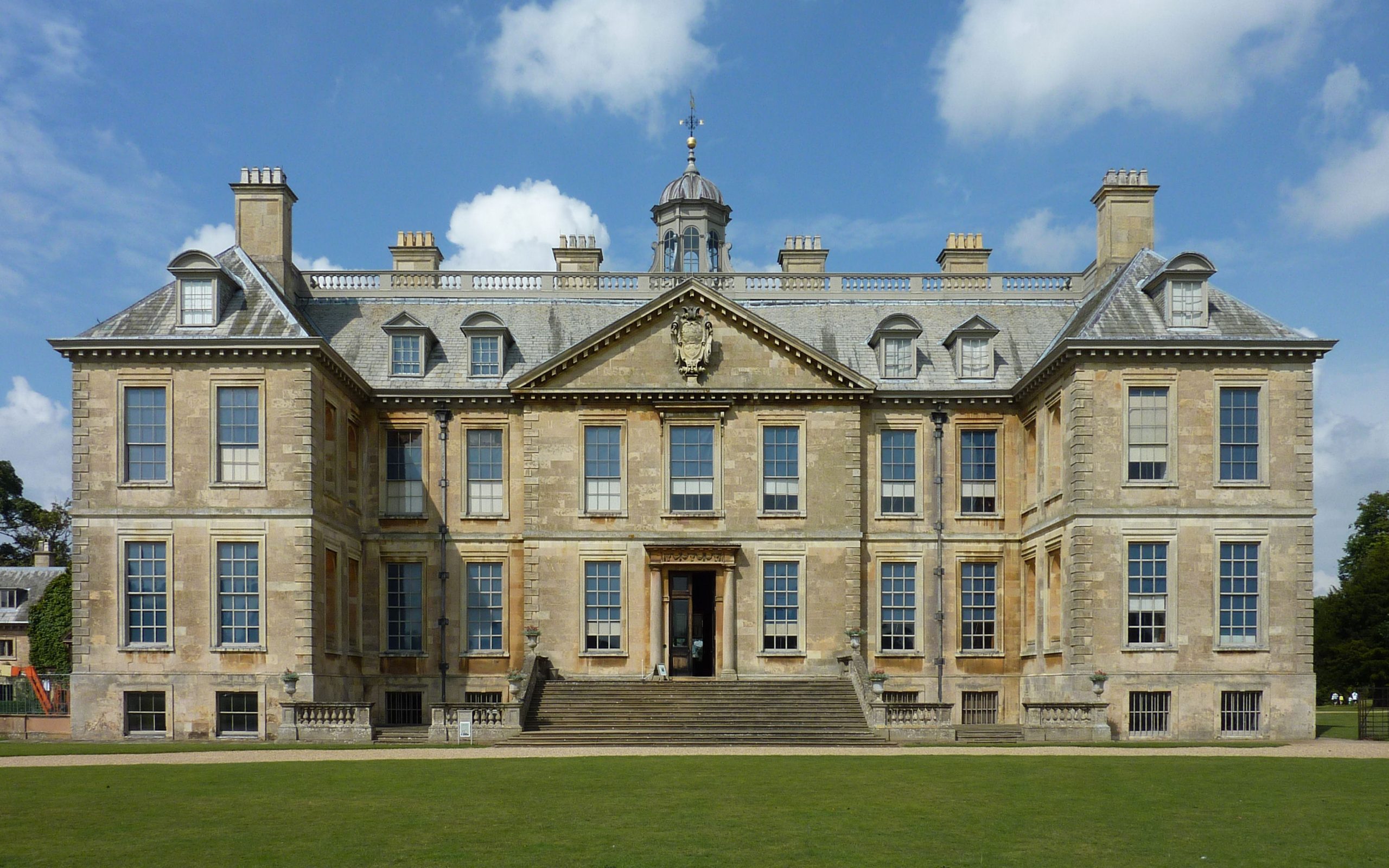
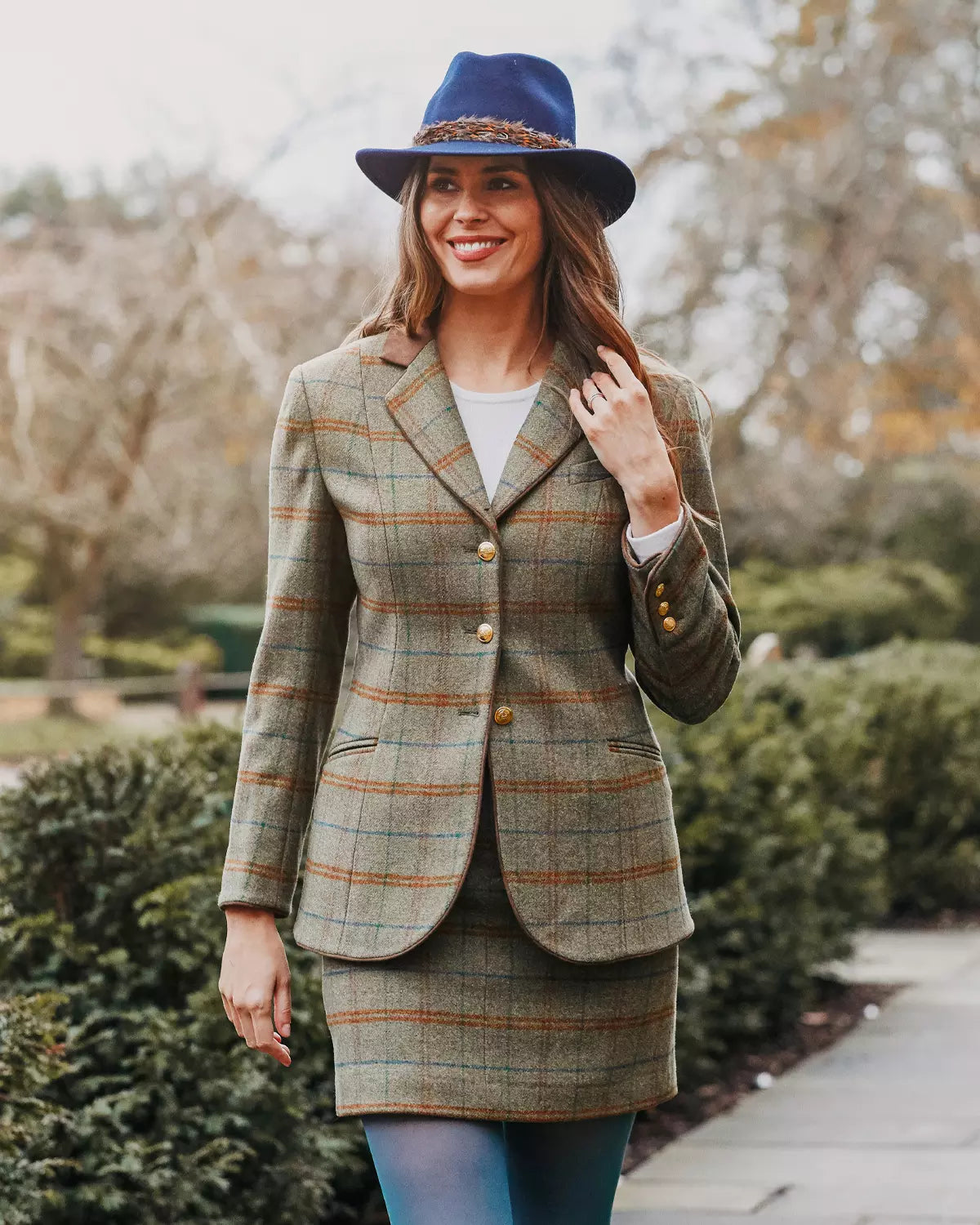
The British aristocratic aesthetic evolved over centuries, centered around country estates and leisure pursuits.
Key elements include:
- Tweed jackets
- Riding boots
- Wool tailoring
- Heirloom jewelry
- Muted earth tones
Rather than flashy displays of wealth, the British approach valued patina—clothes meant to age gracefully and often passed down through generations.
Even brands like Burberry originated in functional outerwear designed for countryside practicality before becoming global fashion icons.
American Ivy League Preppy Heritage



4
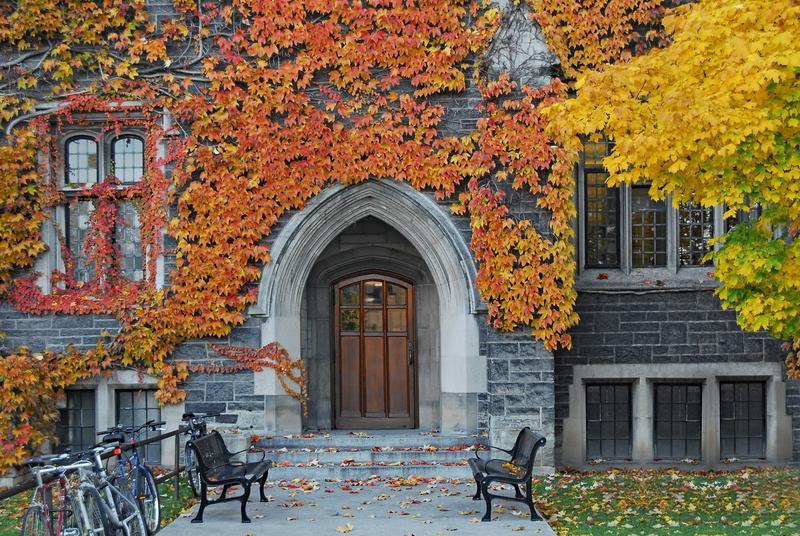
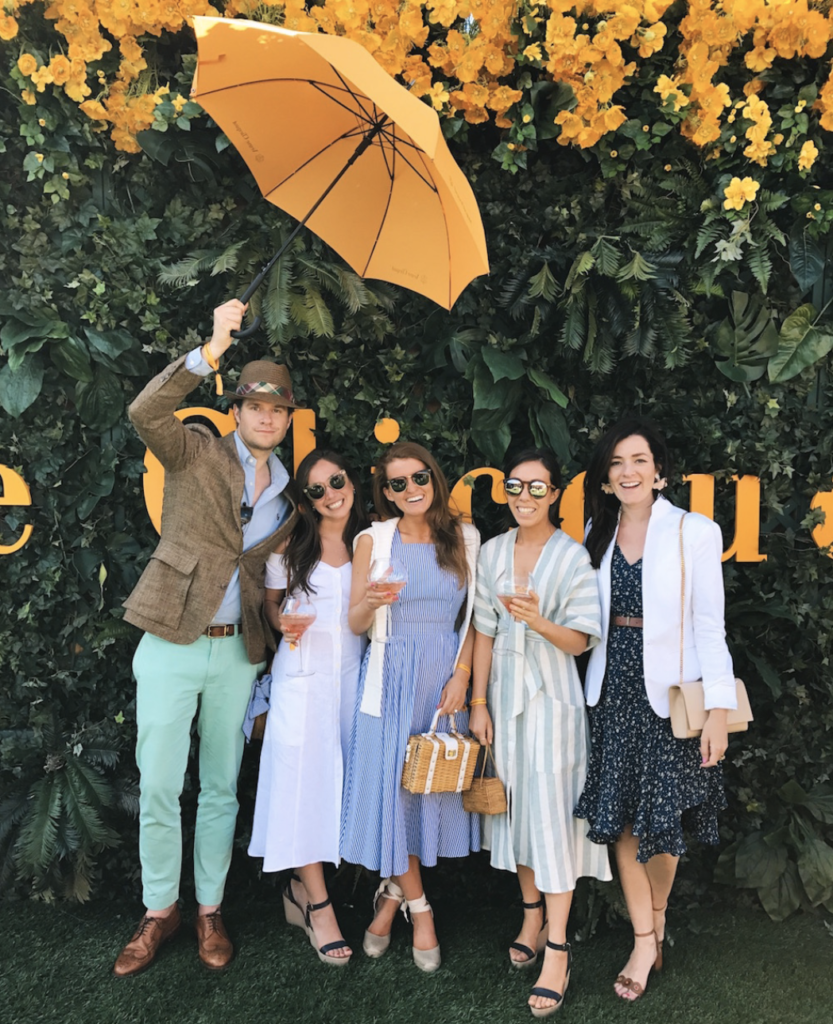
Across the Atlantic, American old money style crystallized around Ivy League campuses in the Northeast.
Hallmarks include:
- Oxford button-down shirts
- Penny loafers
- Cable-knit sweaters
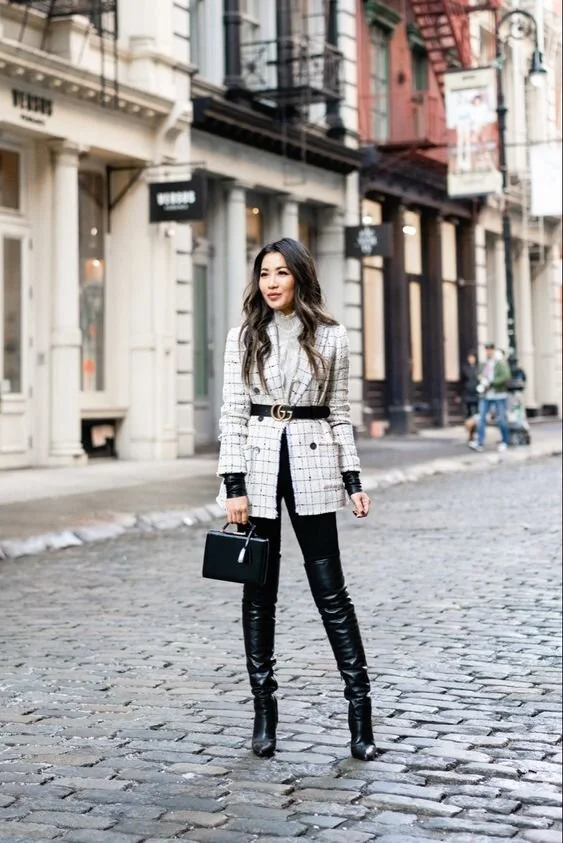
- Blazers with brass buttons
- Nautical influences
The 1980 publication of The Official Preppy Handbook by Lisa Birnbach codified this aesthetic. Though intended as satire, it sold millions of copies and became an unexpected cultural blueprint.
The look became synonymous with institutions like Harvard University and Yale University—symbols of inherited cultural capital.
The Brands That Defined the Aesthetic
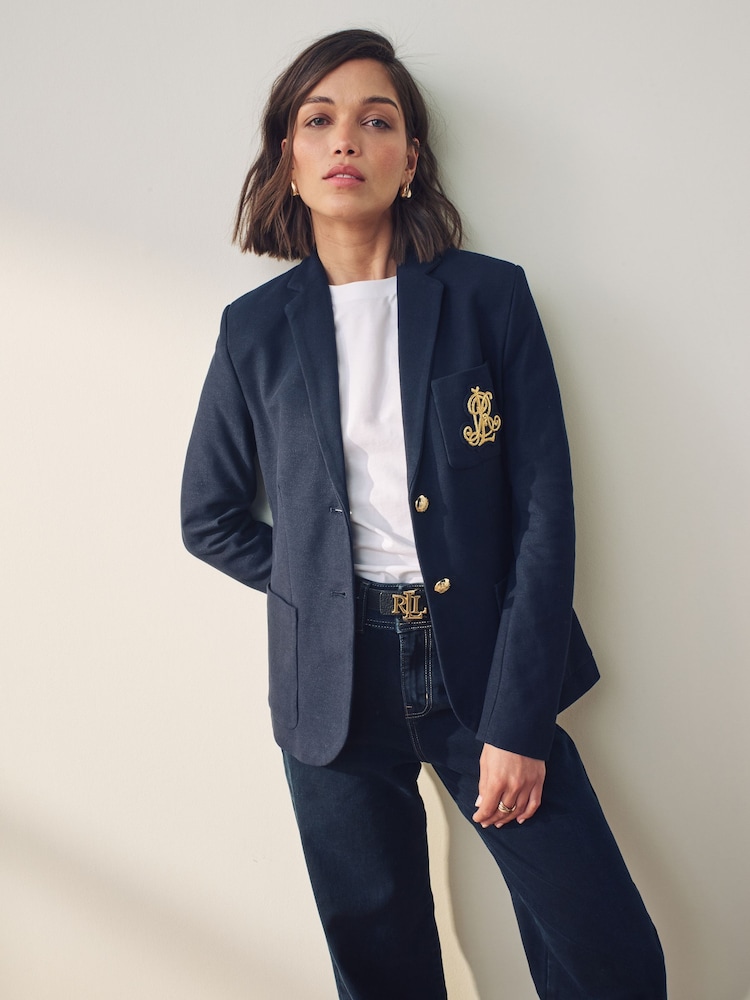
Ralph Lauren: Democratizing Aristocracy



4
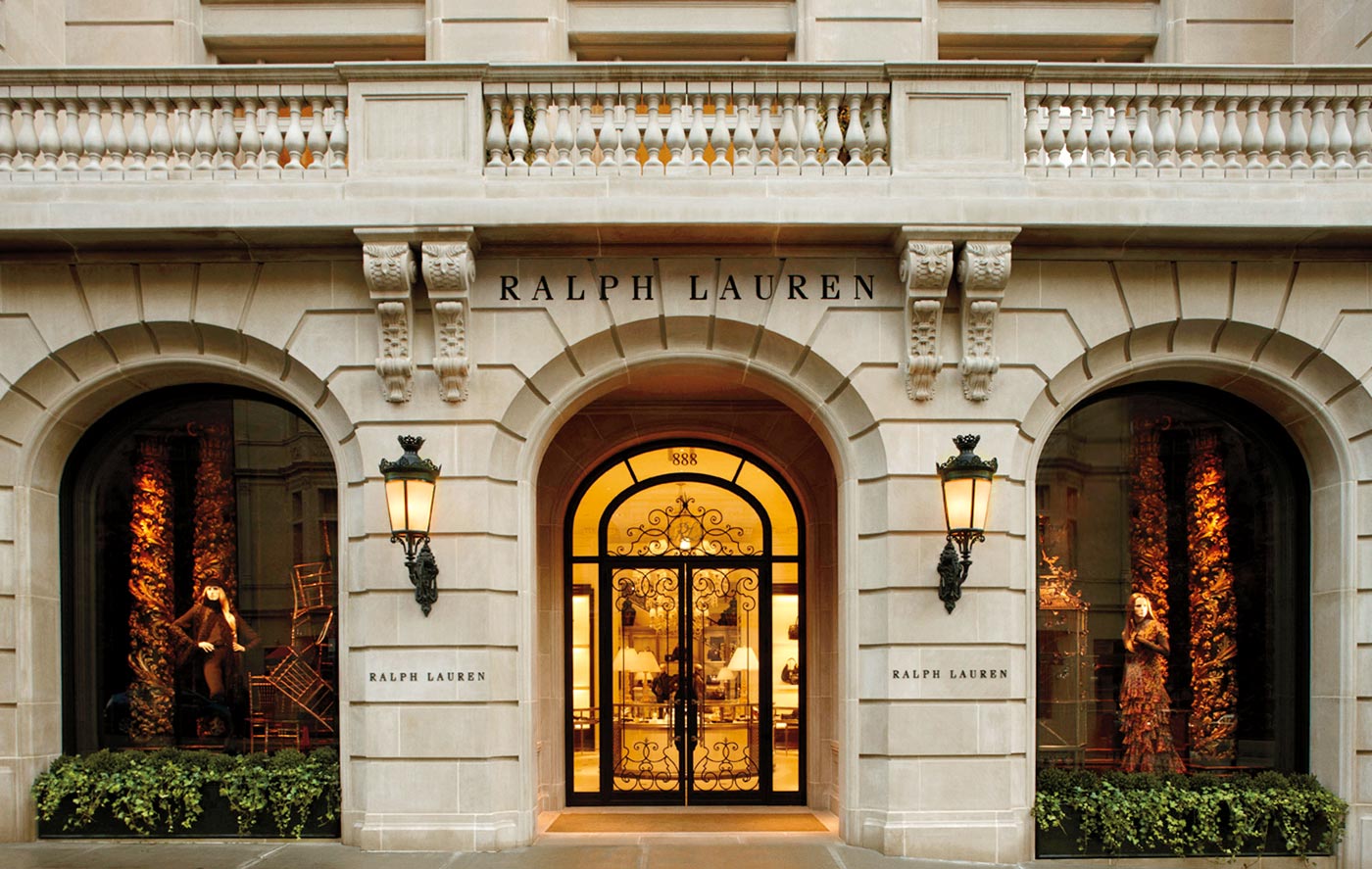
Founded in 1967, Ralph Lauren built an empire by selling an idealized version of American aristocracy.
Rather than simply producing garments, the brand marketed:
- Country estates
- Polo matches
- Equestrian leisure
- East Coast refinement
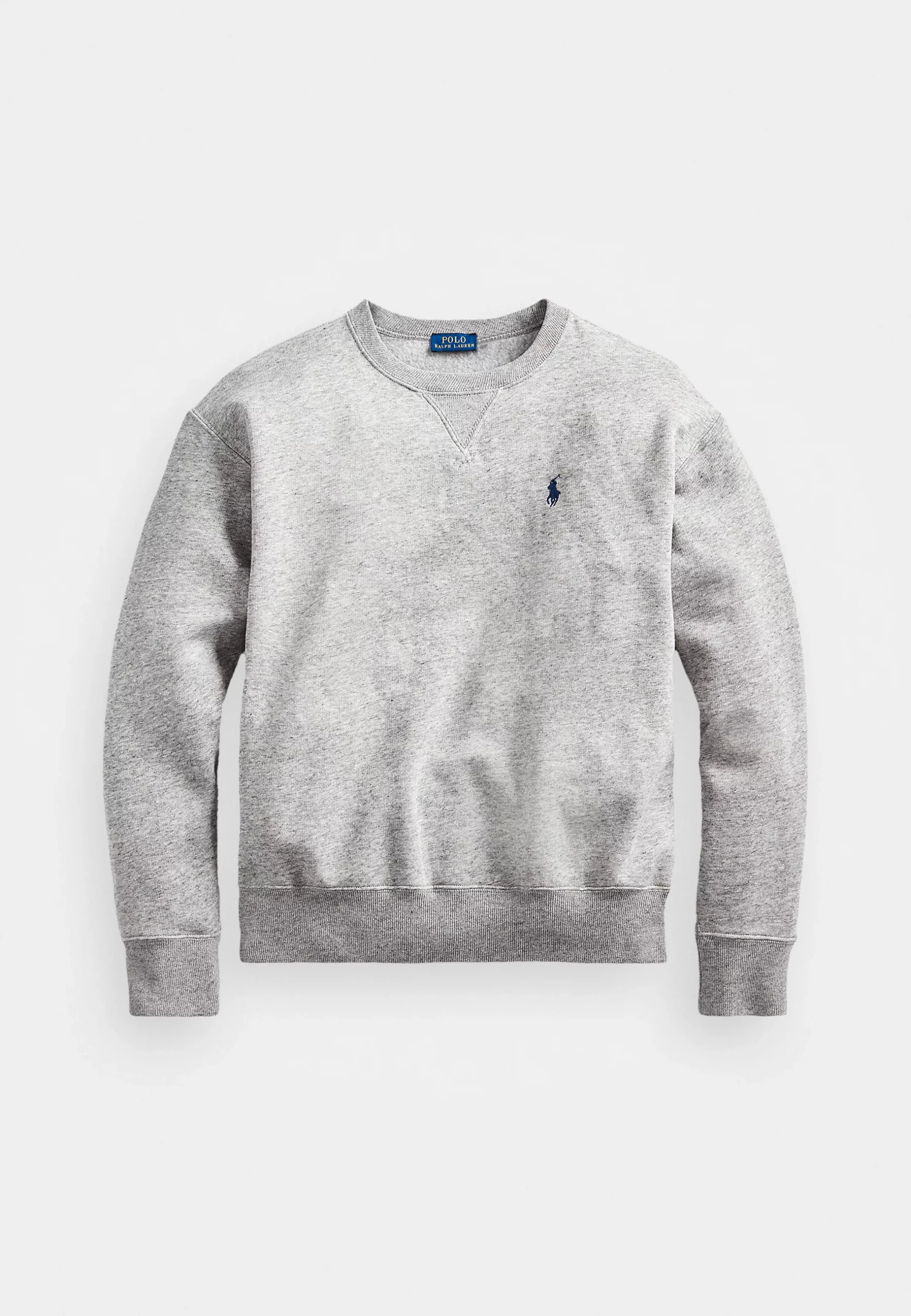
Today, vintage Polo Ralph Lauren pieces command premium resale prices, reinforcing the aesthetic’s investment value.
Tommy Hilfiger and the Preppy Remix
Tommy Hilfiger introduced a more youthful, colorful take on prep. While sometimes leaning into visible branding, its foundations remain rooted in Ivy tradition.
Yet among purists, quality and subtlety remain central. Authentic old money style prioritizes:
- Fabric integrity
- Tailoring
- Fit
- Longevity
Logos are secondary—if present at all.
Destinations That Embody the Lifestyle
European Retreats





4
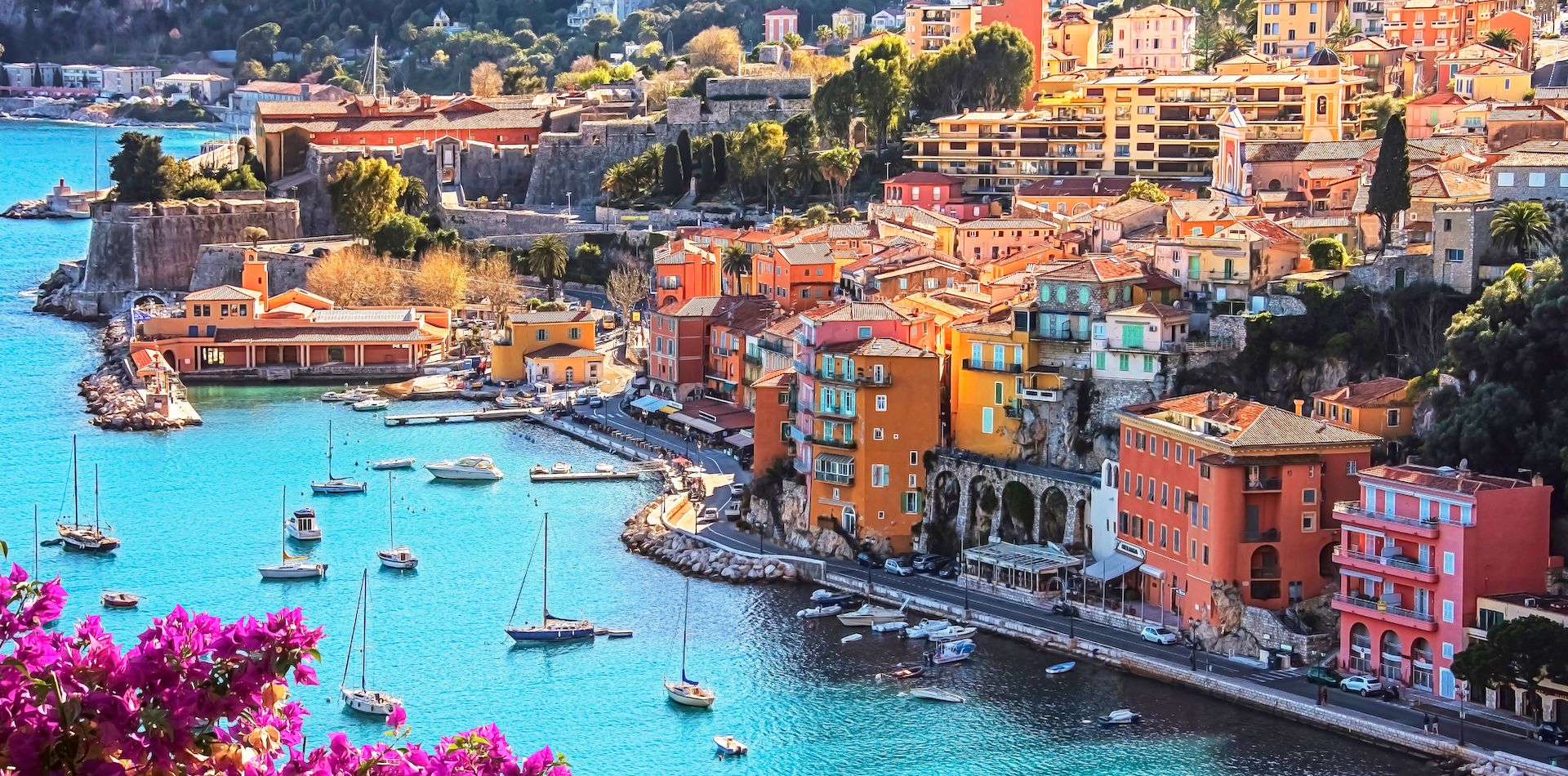
The lifestyle extends beyond clothing into geography.
Winter gatherings traditionally center around St. Moritz, while summers gravitate toward the French Riviera and Monaco.
These destinations symbolize continuity, exclusivity, and generational leisure.
American Coastal Strongholds




4
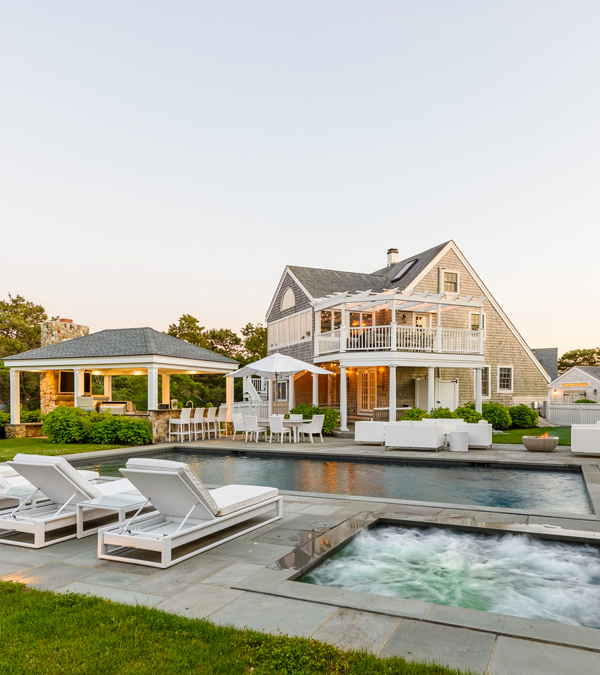
In the U.S., enclaves such as:
- Martha’s Vineyard
- Nantucket
- The Hamptons
continue to represent American interpretations of inherited privilege—less formal than Europe, but equally tradition-bound.
The Core Principles of Authentic Old Money Style
1. Quality Over Quantity
Natural fabrics, solid stitching, proper tailoring. Research by McKinsey shows consumers increasingly favor “cost-per-wear” logic over trend turnover.
2. Understatement
Avoid loud logos. Wealth is implied, not advertised.
3. Maintenance
Impeccable ironing, clean shoes, repaired seams. Longevity is intentional.
4. Cultural Literacy
Knowing when to wear linen vs. tweed. Understanding context. Elegance is situational.
More Than a Passing Trend
The resurgence of old money aesthetics reflects broader cultural undercurrents:
- Climate awareness
- Economic instability
- Rejection of hyper-consumption
- Desire for permanence
In a digital era dominated by rapid turnover, dressing for decades rather than seasons feels quietly revolutionary.
The aesthetic may have aristocratic roots—but its modern adoption signals something deeper: a generational aspiration toward stability, refinement, and thoughtful consumption.
Whether this movement evolves or fades, one thing is clear—young consumers are no longer impressed by volume. They are drawn to value, craftsmanship, and timeless restraint.
And in that shift, fashion once again mirrors society.