






4
Iranian culture is a profound blend of ancient Persian heritage, Islamic values, poetry, hospitality, and resilience. From the graceful art of Taarof to the symbolic power of the number seven, from shared meals on a Sofreh to deeply rooted family bonds, Iranian life is shaped by traditions that have survived empires, revolutions, and modern pressures.
This cultural journey takes you through everyday rituals, social values, food, relationships, work life, clothing, and the timeless cities that define Persian identity.
1. Three Main Cultural Roots
1. Taarof: The Art of Politeness and Mutual Respect

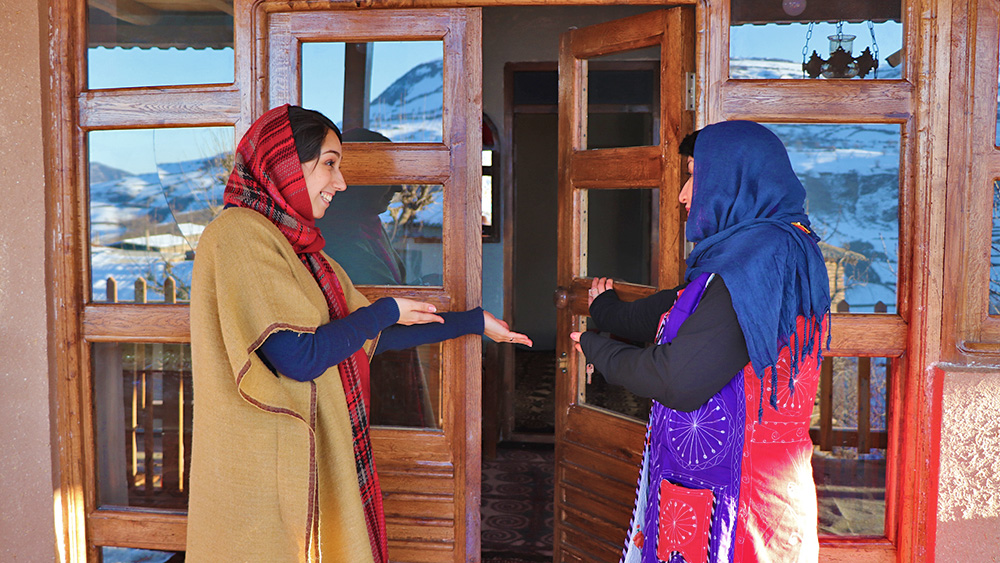


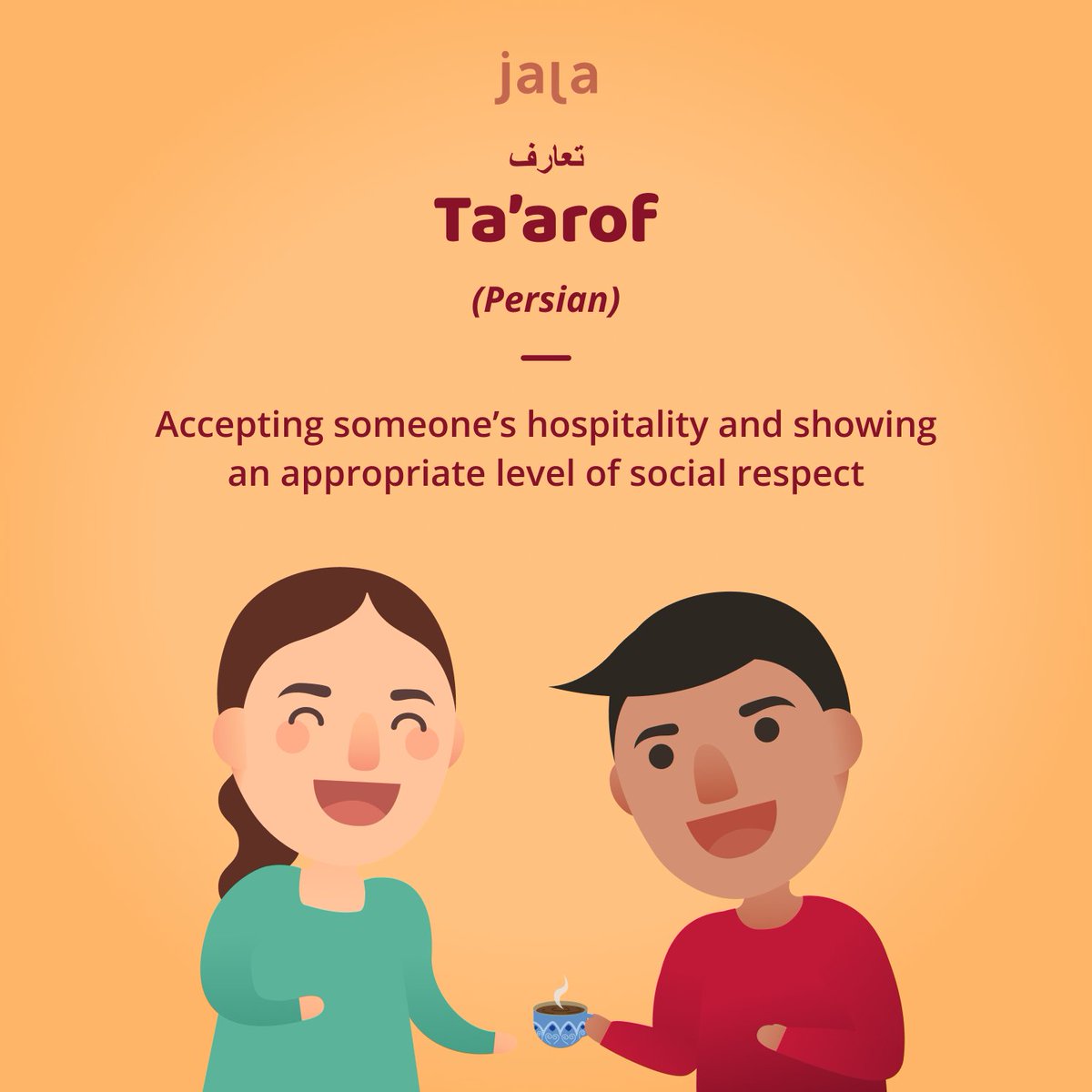
Taarof is the backbone of Iranian etiquette — a refined system of politeness that governs social interactions. Whether offering food, paying a taxi fare, or hosting guests, Iranians often politely refuse before accepting, creating a dance of courtesy and respect.
To outsiders, Taarof may feel confusing. To Iranians, it is a cultural art form — one that communicates generosity, humility, and social harmony. Mastering it reflects emotional intelligence and cultural awareness.
2. Haft: The Sacred Power of Seven



The number seven (Haft) holds deep symbolic meaning in Iranian civilization. It represents completeness, balance, and spiritual perfection.
From the Haft-Seen table during Nowruz to ancient Zoroastrian cosmology and Persian literature, seven appears repeatedly in religion, politics, rituals, and art. Legendary works like Haft Peykar and Haft Owrang use seven as a narrative framework symbolizing wholeness and destiny.
3. Sofreh: More Than a Dining Cloth

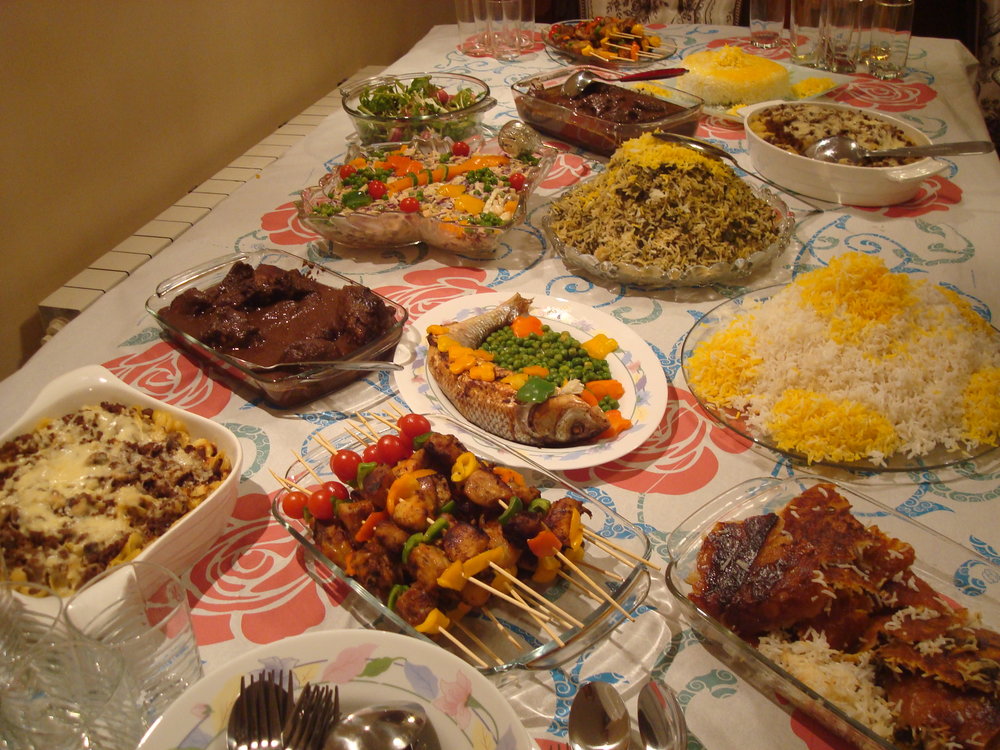

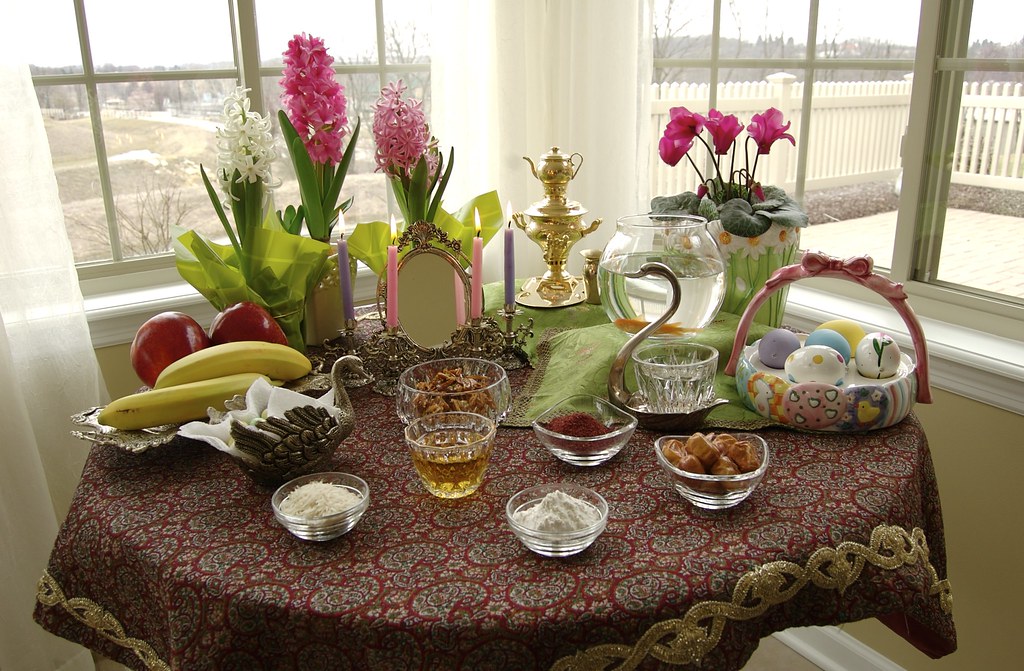


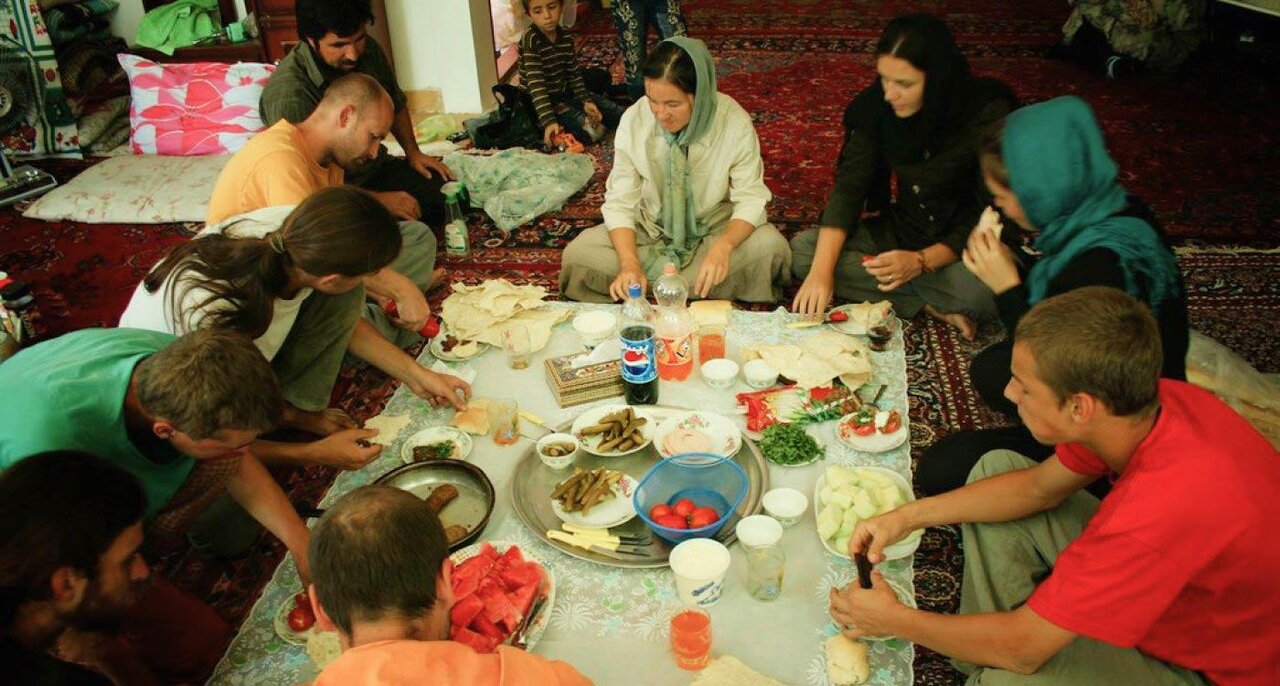
The Sofreh is not merely a cloth — it is a sacred social space. Families gather around it to eat, talk, pray, and connect. Respect for elders, gratitude for food, and spiritual mindfulness are central to Sofreh etiquette.
From Sofreh-ye Aqd (wedding spread) to Sofreh Haft-Seen and Ramadan iftar meals, the Sofreh transforms according to the occasion while always symbolizing unity, hospitality, and tradition.
2. Iranian Happiness


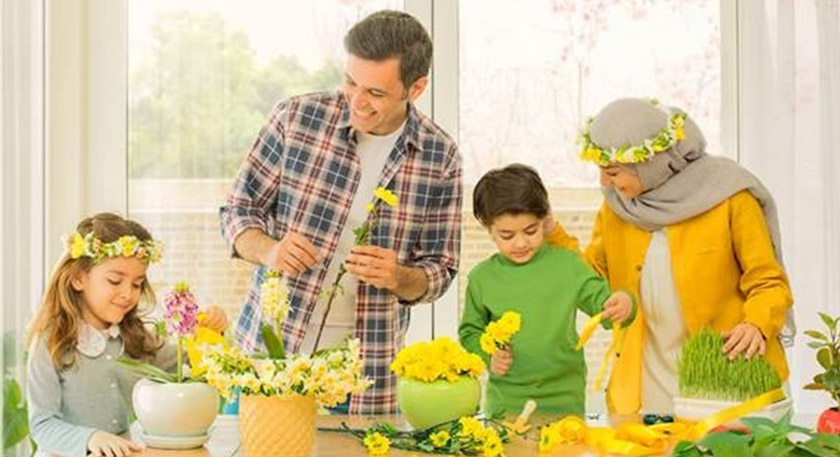


Despite economic and political challenges, Iranians cultivate happiness through family closeness, tea rituals, music, poetry, and celebrations like Nowruz and Yalda Night.
Joy often lives in simplicity — a shared meal, poetry recited aloud, laughter with friends, or creativity in art and business. Iranian happiness is quiet, resilient, and deeply communal.
3. Iranian Social Life


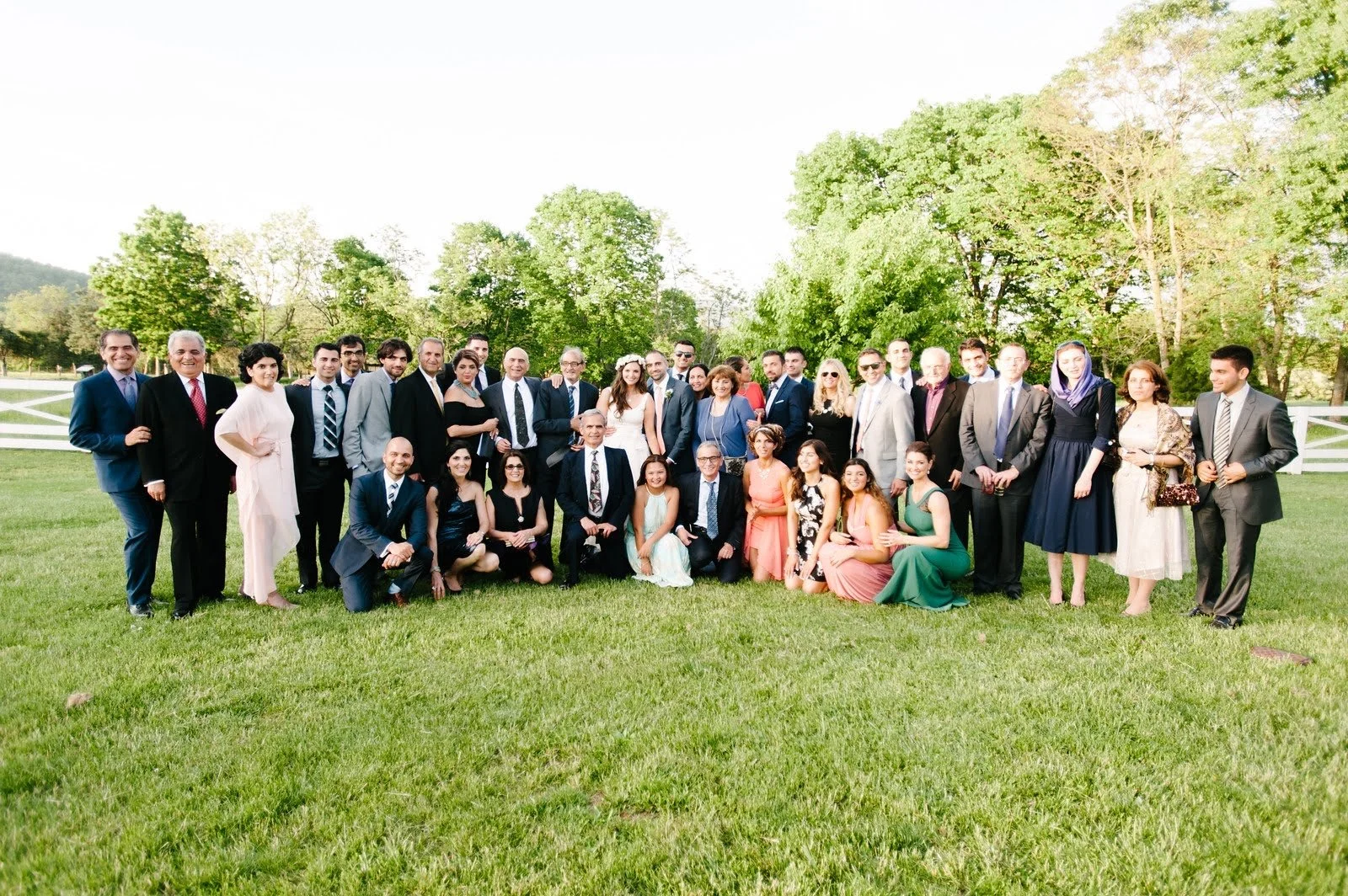


Iranian society values collectivism over individualism. Family honor, loyalty, and shared responsibility shape social behavior. Communication is indirect, layered with metaphor, storytelling, and non-verbal cues to avoid embarrassment or conflict.
Public behavior remains modest, while private gatherings are warm, expressive, and emotionally open — reflecting the balance between social restraint and personal intimacy.
4. Iranian Food Culture


Iranian cuisine celebrates fresh herbs, balance, and nourishment. Meals often include rice, stews (khoresh), flatbreads, dairy, and seasonal vegetables.
Food is also medicinal — rooted in traditional beliefs about hot and cold foods. From kebabs and saffron rice to unique dishes like Kalle Pache and refreshing drinks like Doogh, Iranian food reflects creativity, sustainability, and respect for nature.
5. Iranian Relationships

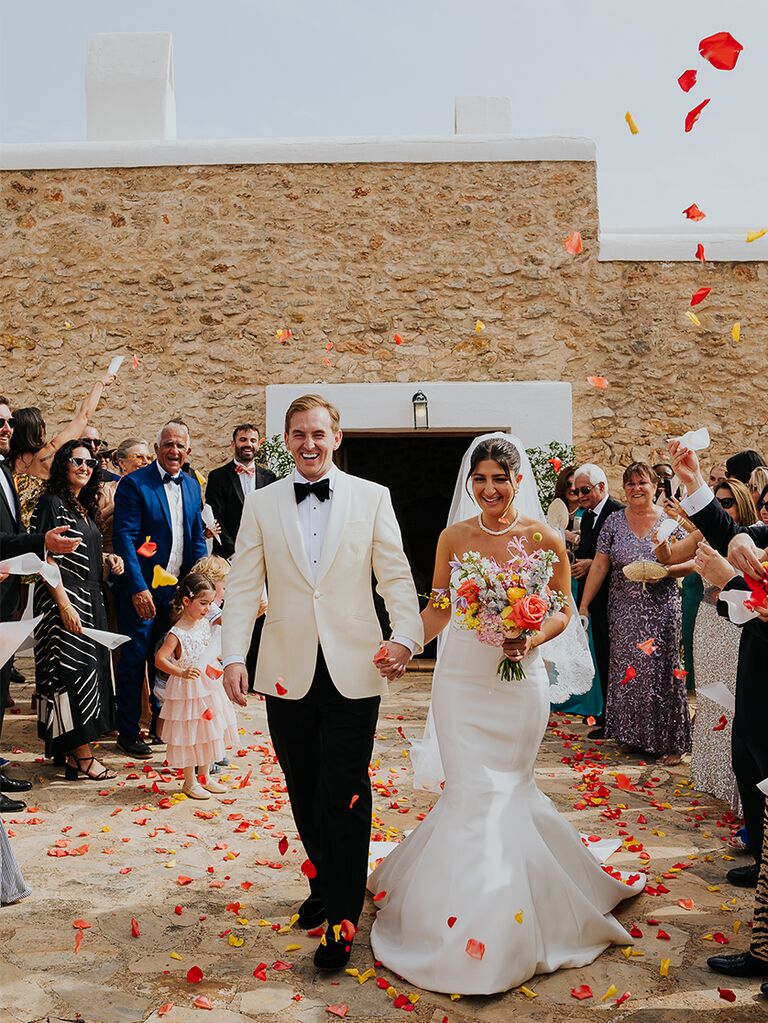


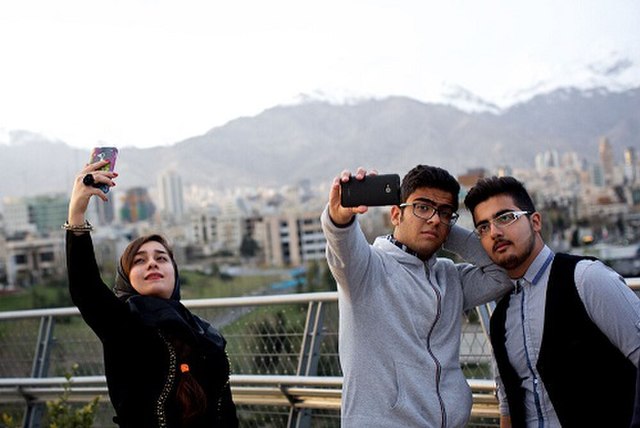
Romance in Iran is subtle and respectful. Affection is shown through conversation, care, consistency, and attention, rather than public displays.
While societal restrictions limit open dating, technology has reshaped modern relationships. Messaging platforms and online spaces allow young Iranians to connect while navigating tradition and regulation.
6. Iranian Parenting


Parenting in Iran emphasizes discipline, respect for elders, and family unity. Fathers traditionally hold authority, while mothers nurture emotional bonds.
Though modernization has softened some roles, family expectations remain strong. Parents often sacrifice personal comfort to secure their children’s future, reinforcing deep emotional loyalty.
7. Iranian Work Culture


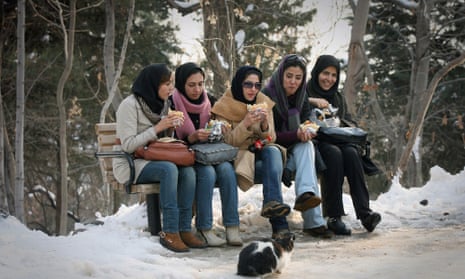
Iran’s work culture blends formality, hierarchy, and relationship-building. Trust is built slowly, often through personal introductions. Meetings value punctuality, patience, and respect for titles and education.
Despite economic complexities, entrepreneurship, creativity, and adaptability continue to define Iran’s professional spirit.
8. Traditional Iranian Clothing

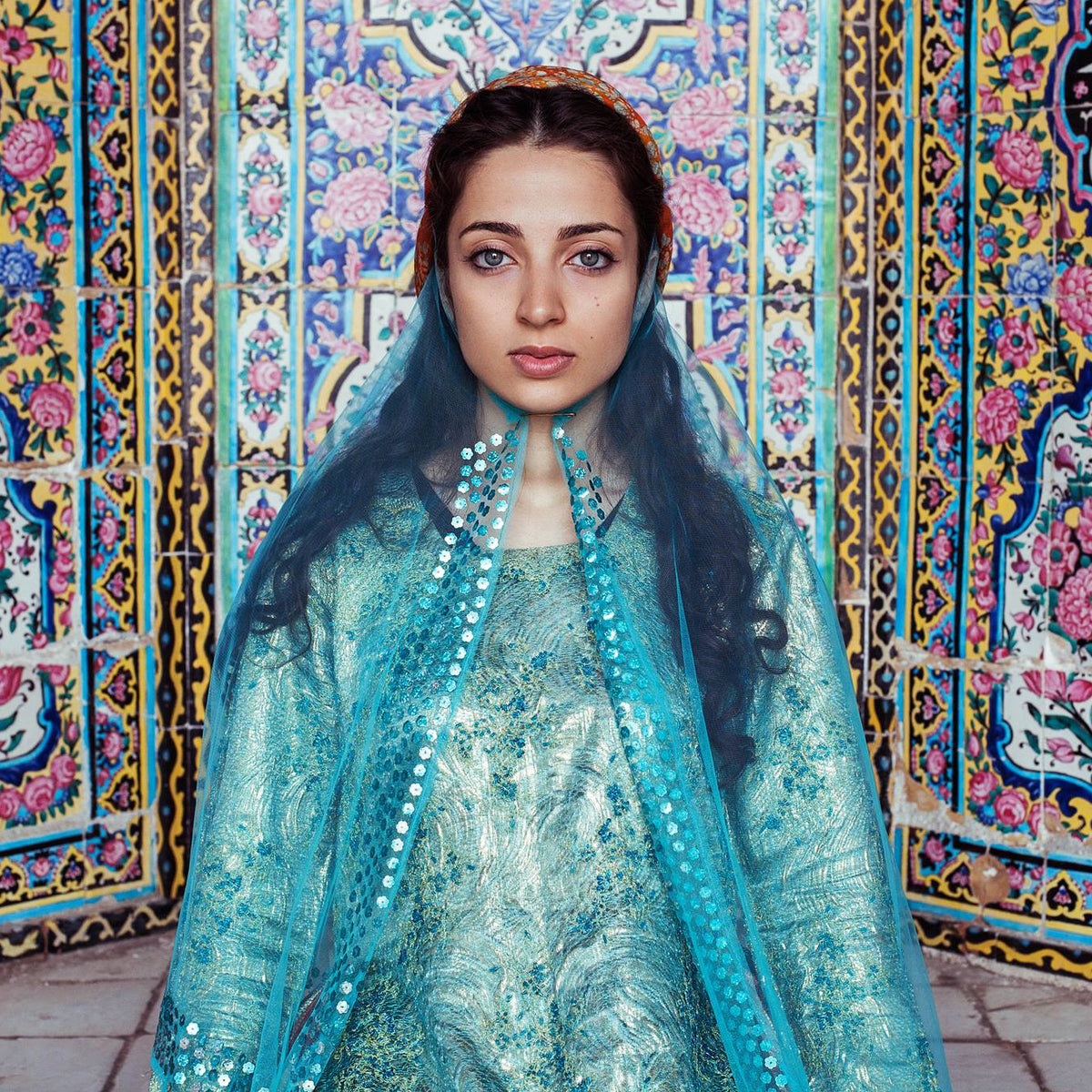

Iranian traditional clothing reflects ethnic diversity and artistic heritage. From Balochi embroidery to Kurdish colors and Azerbaijani patterns, attire varies by region.
Even today, designers blend traditional motifs into modern fashion, preserving identity while embracing contemporary aesthetics.
9. Three Cultural Cities of Iran
1. Shiraz

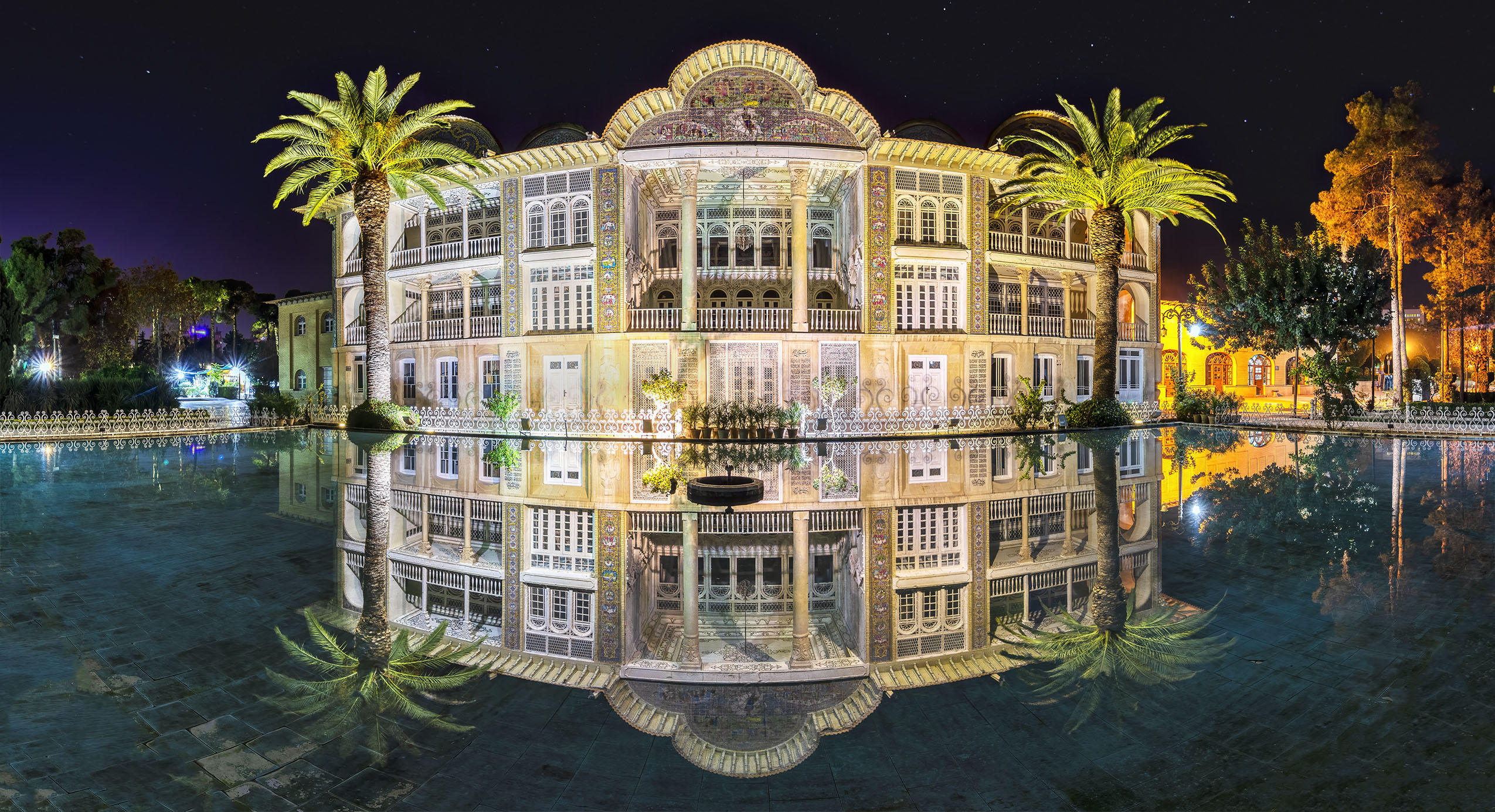


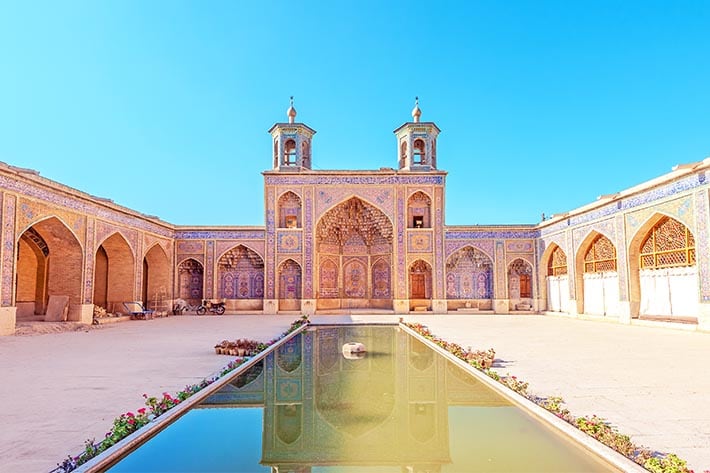
The city of poets and gardens, Shiraz is synonymous with literature, flowers, and artistic soul. Home to Hafez and Saadi, it represents Persian romance and intellectual beauty.
2. Isfahan


Known as “Half of the World”, Isfahan is a masterpiece of Islamic architecture, history, and multicultural coexistence.
3. Yazd


An ancient desert city, Yazd preserves earthen architecture, spiritual heritage, and timeless traditions, standing as a symbol of endurance and faith.
Key Takeaways About Iranian Culture
- Taarof defines social harmony and respect
- Seven (Haft) symbolizes completeness
- Sofreh embodies unity and spirituality
- Happiness thrives in family and simplicity
- Social life values collectivism and indirect communication
- Cuisine balances flavor, health, and tradition
- Relationships blend restraint with emotional depth
- Work culture prioritizes trust and hierarchy
- Clothing preserves identity through art
- Cities like Shiraz, Isfahan, and Yazd showcase Iran’s soul