





Global Power, Defense Spending & Investment Opportunities
Meta Description:
Discover the world’s largest militaries in 2026 ranked by active troops. Explore defense spending, geopolitical power, and top investment opportunities in the global defense sector.
Primary Keywords:
largest militaries 2026, global military ranking, defense spending countries, military power comparison, defense investment opportunities
Secondary Keywords:
top armies in the world, military budget 2026, geopolitical investment trends, defense stocks, global security trends
A New Era of Military Power


6
In 2026, military strength remains one of the clearest indicators of global influence. While technological superiority—from AI-driven warfare to advanced missile systems—dominates headlines, the size of active military personnel still defines a nation’s ability to sustain conflict and control territory.
Recent global defense assessments show a clear hierarchy: countries with vast populations and strong geopolitical ambitions continue to dominate military rankings.
Top 10 Largest Militaries in the World (2026)
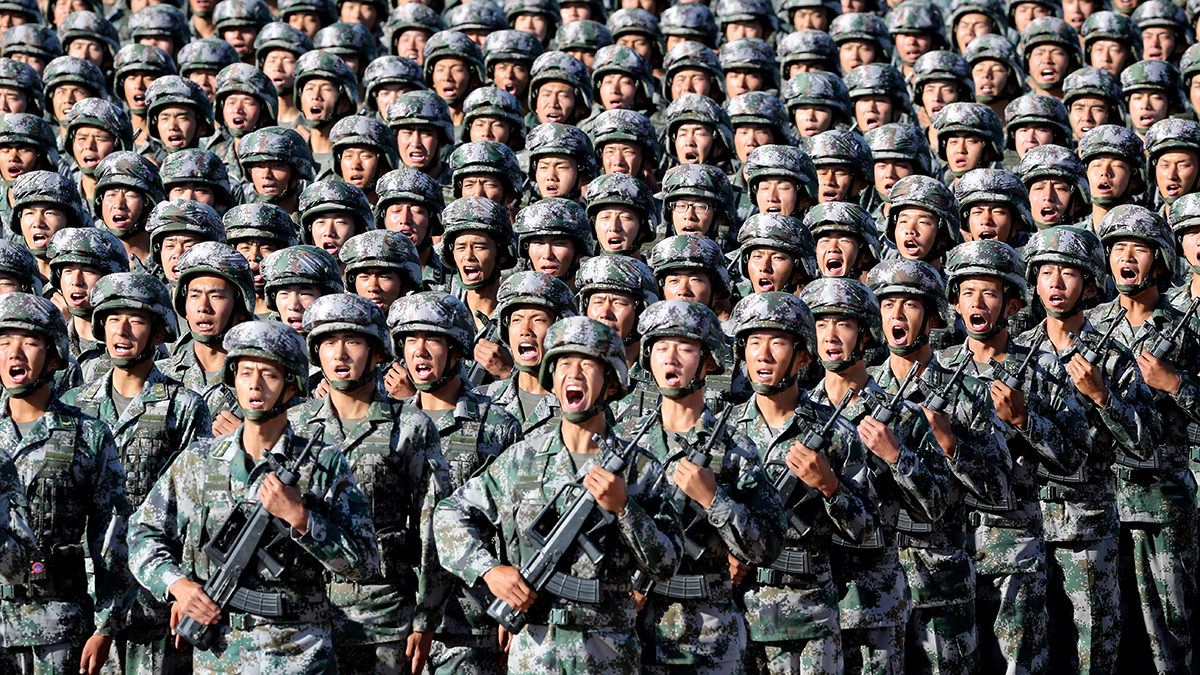
1. China – The Global Leader in Manpower


7
- Active Personnel: ~2.03 million
- Defense Budget: $250B+
China leads the world in troop strength, aligning with its long-term ambition to become the dominant global superpower.
2. India – Scale Meets Strategic Geography


6
- Active Personnel: ~1.5 million
- Defense Budget: $78B
India’s large standing army reflects both its population advantage and its complex regional security environment.
3. United States – The Ultimate Military Machine


9
- Active Personnel: ~1.34 million
- Defense Budget: $900B+
The U.S. remains unmatched in technology, global reach, and defense spending, making it the most powerful military force overall.
4–10: The Strategic Tier


6
| Rank | Country | Active Personnel |
|---|---|---|
| 4 | North Korea | ~1.28M |
| 5 | Russia | ~1.26M |
| 6 | Ukraine | ~677K |
| 7 | Pakistan | ~660K |
| 8 | Iran | ~610K |
| 9 | Ethiopia | ~503K |
| 10 | South Korea | ~450K |
These nations reflect a mix of conflict-driven expansion, regional tensions, and strategic positioning.
Defense Spending: Where the Real Power Lies


5
While troop numbers provide scale, defense budgets reveal true capability:
- The United States spends more than the next several countries combined
- China continues aggressive military modernization
- Middle Eastern nations invest heavily in advanced defense systems
Modern warfare increasingly depends on:
- AI-driven combat systems
- Cybersecurity infrastructure
- Drone and unmanned technologies
- Space-based defense systems
Investment Angle: How Wars and Defense Shape Wealth
1. Defense Stocks Are Long-Term Winners
Geopolitical tensions often drive sustained growth in defense companies. Historically, firms involved in:
- Aerospace
- Weapons manufacturing
- Cyber defense
have delivered consistent returns during uncertain global periods.
2. Key Sectors to Watch
- Aerospace & Aviation (fighter jets, drones)
- Cybersecurity (digital warfare)
- Energy & Oil (war-driven price volatility)
- Commodities (gold as a safe haven)
3. Strategic Insight for Investors
Periods of global instability often result in:
- Increased government spending
- Long-term defense contracts
- Rising demand for security technologies
This creates predictable revenue streams for defense companies, making them attractive for long-term portfolios.
Monetization Strategy for Nupital
To maximize revenue from this article:
High CPC Ad Placements
- Place ads around keywords like “defense stocks,” “military budget,” “global security”
- Target audiences interested in finance, geopolitics, and global markets
Affiliate & Content Opportunities
- Investment platforms (ETFs, stock brokers)
- Financial advisory services
- Gold and commodity trading platforms
Internal Linking Ideas
- “Top Investment Strategies During War”
- “Gold vs Stocks in Crisis”
- “Oil Price Predictions 2026”
Final Perspective
The global military landscape in 2026 highlights a critical reality:
Power is no longer defined by size alone, but by the intersection of manpower, technology, and economic strength.
For investors and global observers alike, understanding military trends is no longer optional—it’s essential.