



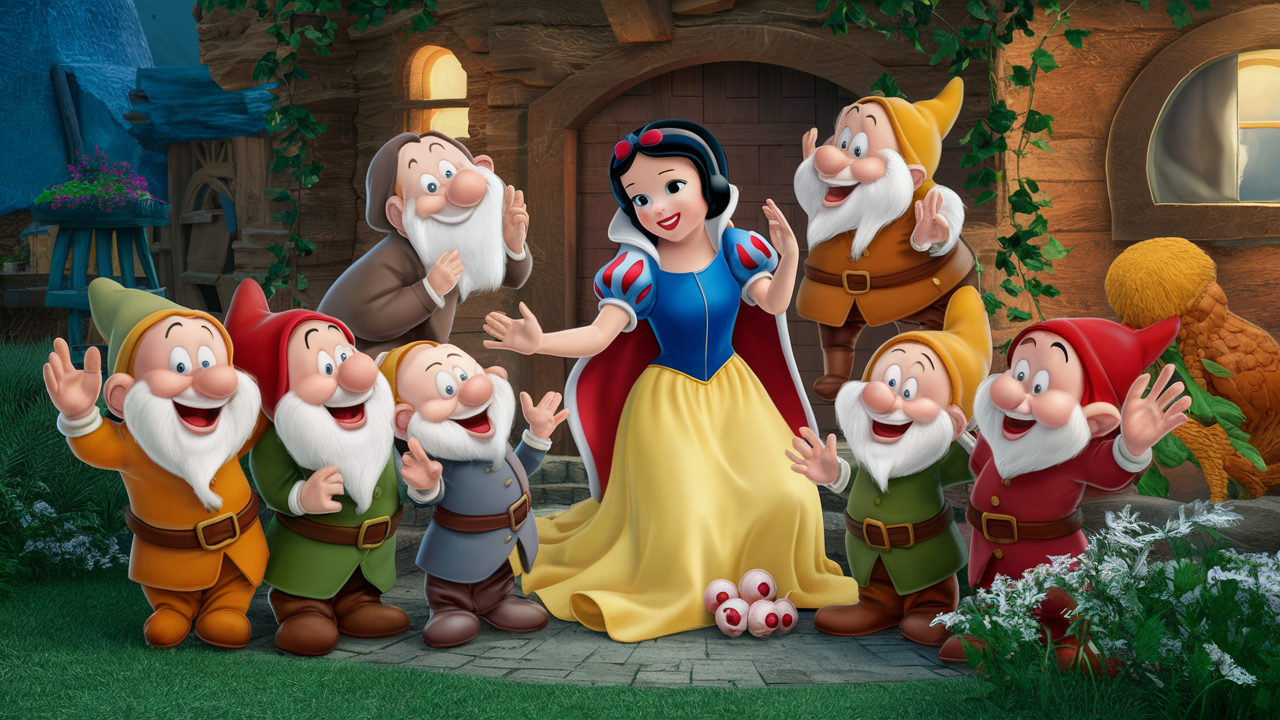

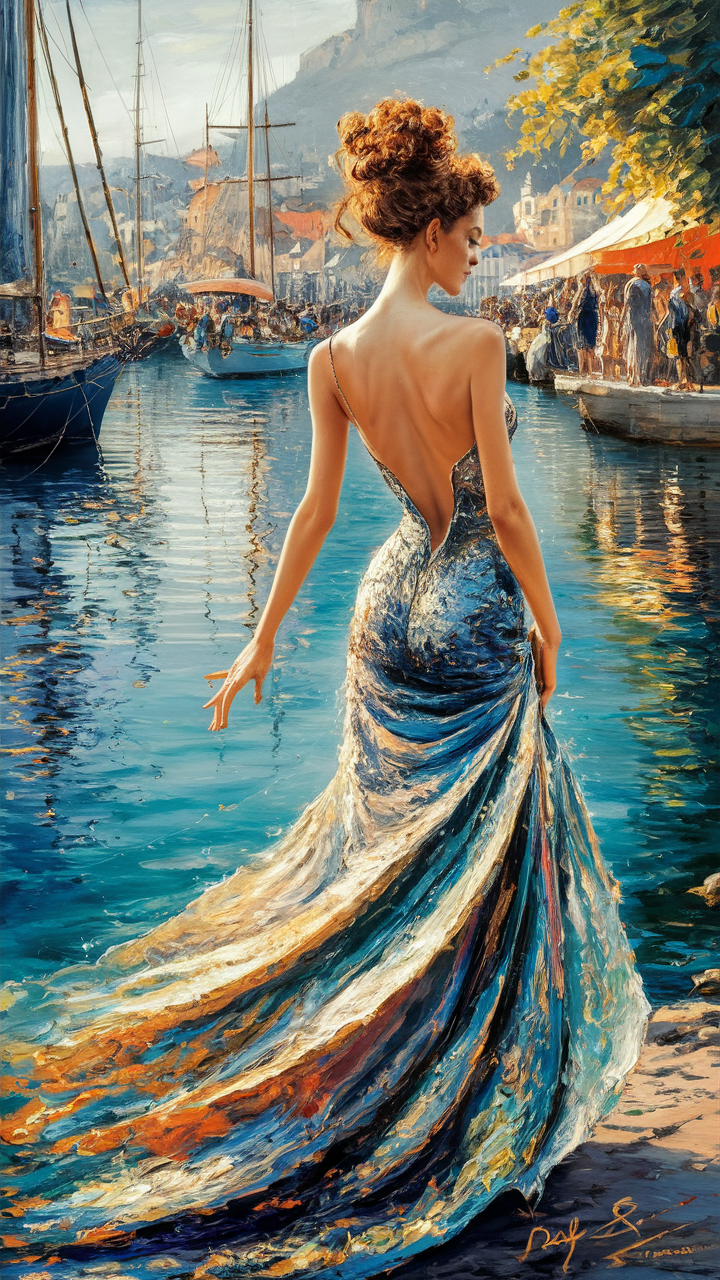
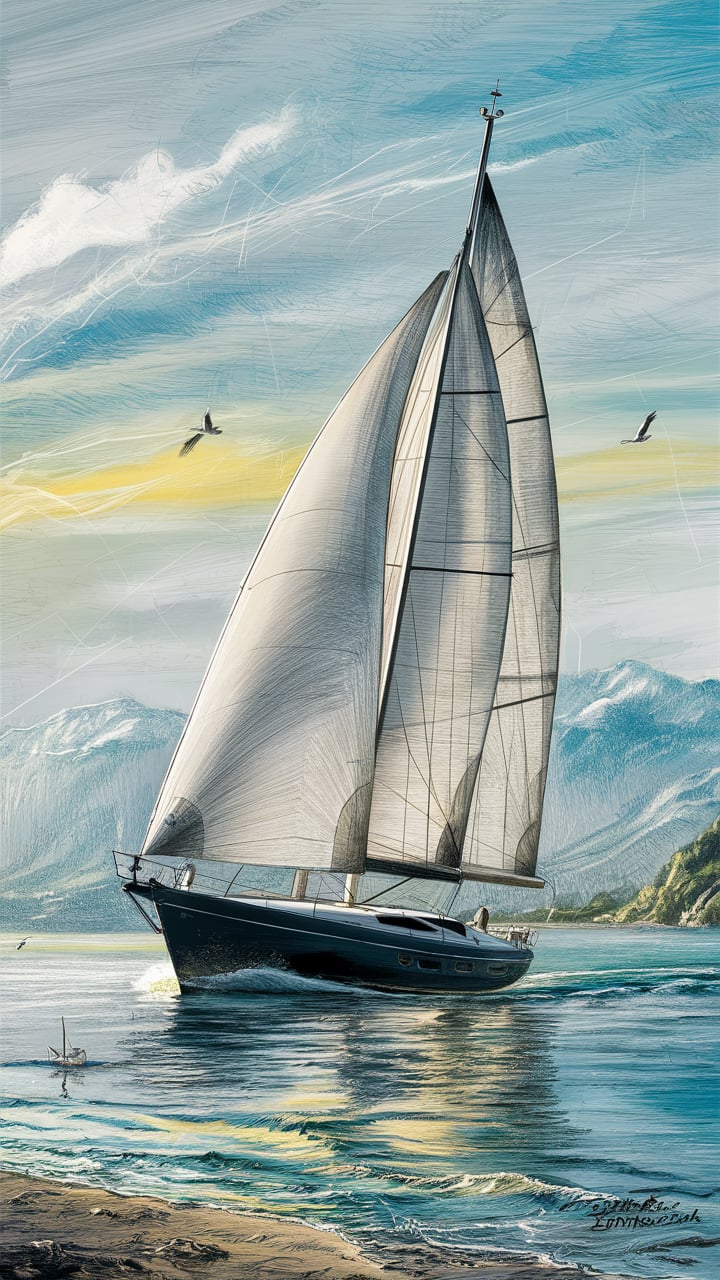

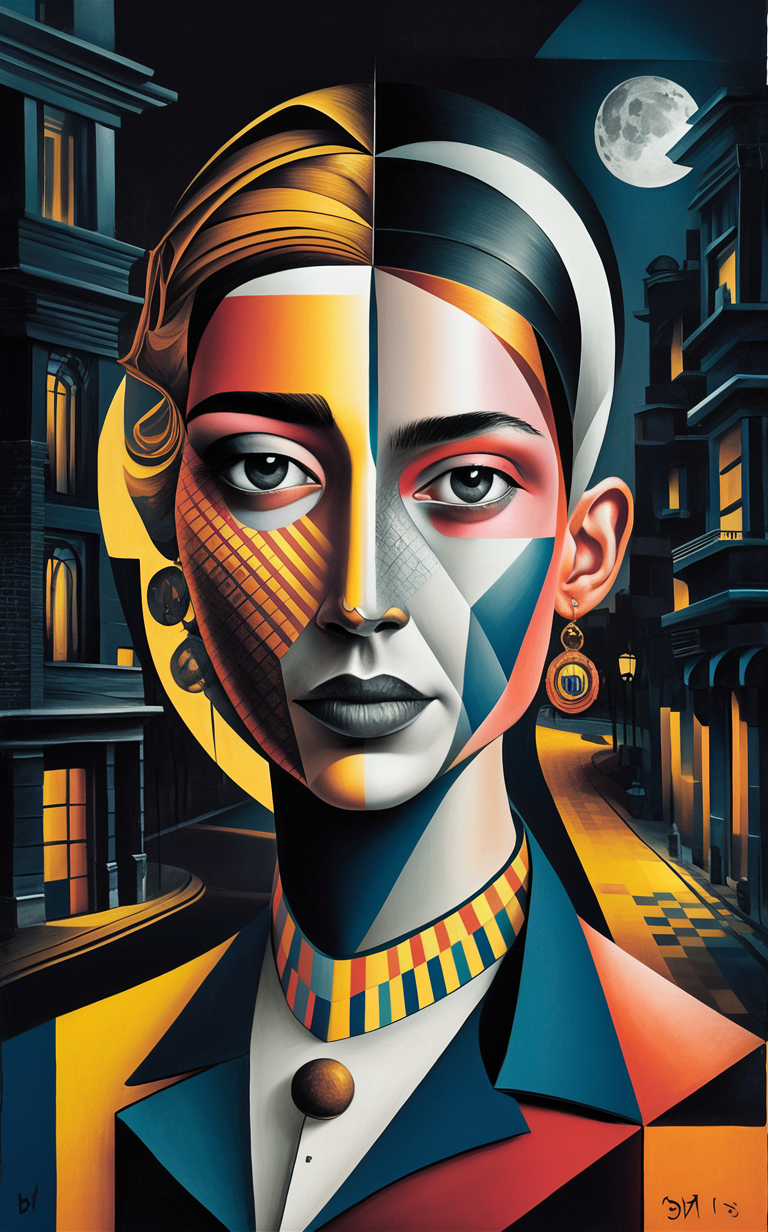
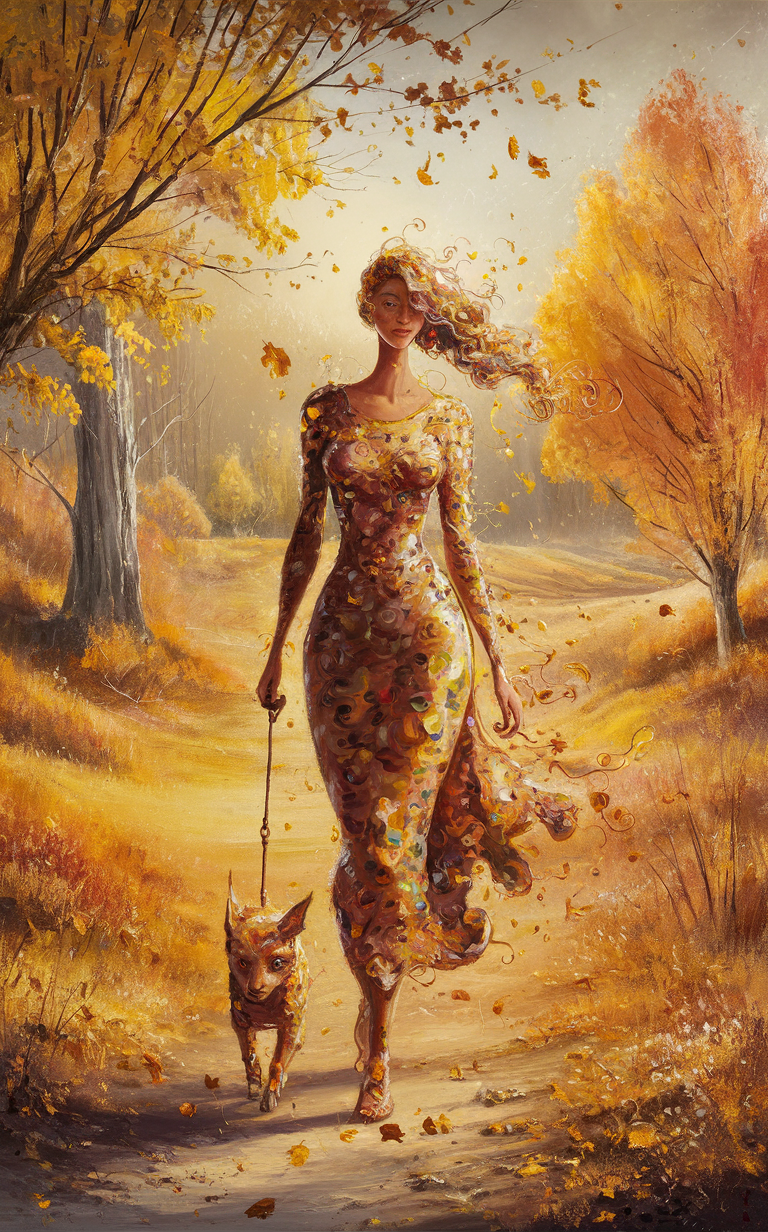
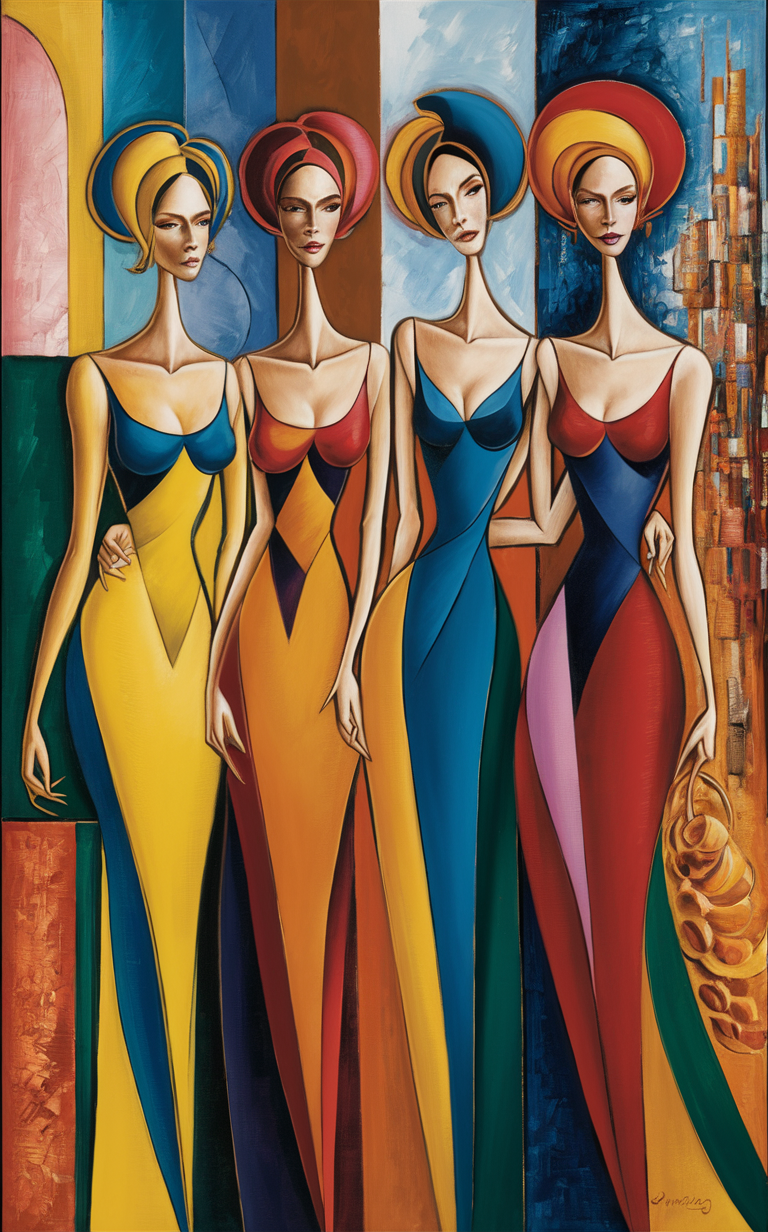
Artificial Intelligence (AI) has rapidly transformed various industries, from healthcare to finance, and now it’s making significant inroads into the world of art. AI image generation, a subset of AI-driven creativity, is opening new frontiers in the art world, enabling artists and creators to push the boundaries of imagination and redefine the concept of art. In this article, we explore the fascinating possibilities of AI-generated art and its potential to revolutionize the creative process.
The Evolution of AI Image Generation
AI image generation is powered by deep learning algorithms, particularly Generative Adversarial Networks (GANs), which consist of two neural networks: the generator and the discriminator. The generator creates images from random noise, while the discriminator evaluates them, distinguishing between real and AI-generated images. Over time, this process allows the generator to produce increasingly realistic and sophisticated images.
Initially, AI-generated art was met with skepticism, with critics arguing that machines lack the human touch essential to true creativity. However, as AI models have become more advanced, the quality and diversity of AI-generated images have improved, leading to a growing appreciation of this new art form.
Expanding the Creative Horizons
One of the most exciting aspects of AI-generated art is its ability to expand creative possibilities. Traditional art forms often rely on an artist’s skill and vision, which are limited by human experience and imagination. AI, on the other hand, can process vast amounts of data, learn from diverse sources, and generate entirely new concepts that might never have occurred to a human artist.
For instance, AI can blend different artistic styles to create hybrid images that combine elements of classical painting with modern digital techniques. It can also generate entirely new art styles, offering fresh perspectives and inspiring artists to explore uncharted territories. This fusion of human creativity and machine intelligence is leading to the emergence of unique art forms that challenge conventional definitions of art.
Democratizing Art Creation
AI-generated art is also democratizing the creation process, making art more accessible to people who may not have traditional artistic skills. With user-friendly AI tools, anyone can create visually stunning images with just a few clicks. This accessibility is empowering a new generation of creators, allowing them to express themselves through art without the need for years of training.
Additionally, AI can assist professional artists by automating repetitive tasks, such as background creation or color correction, freeing up their time to focus on more complex and conceptual aspects of their work. This collaboration between human and machine enhances productivity and enables artists to bring their visions to life more efficiently.
Ethical and Philosophical Considerations
While the possibilities of AI-generated art are exciting, they also raise important ethical and philosophical questions. Who owns the rights to AI-generated art? Is it the creator of the AI model, the user who generates the image, or the AI itself? These questions challenge our understanding of authorship and creativity in the digital age.
Moreover, the rise of AI-generated art has sparked debates about the value of human creativity. Some fear that AI might eventually replace human artists, rendering traditional art forms obsolete. However, others argue that AI is simply another tool in the artist’s toolkit, enhancing rather than diminishing human creativity.
The Future of AI-Generated Art
As AI technology continues to evolve, so too will its role in the art world. We can expect to see more sophisticated AI models capable of generating increasingly complex and nuanced images. AI-generated art could also play a significant role in other industries, such as fashion, advertising, and entertainment, where visual creativity is highly valued.
In the future, AI might even be able to generate interactive art experiences, where viewers can engage with and influence the artwork in real-time. This would open up new avenues for artistic expression and audience participation, creating a more immersive and dynamic art experience.
Conclusion
AI-generated art is not just a passing trend; it’s a powerful tool that is reshaping the creative landscape. By expanding the boundaries of imagination, democratizing the creation process, and sparking important ethical debates, AI is challenging our traditional notions of art and creativity. As we continue to explore the possibilities of AI-generated art, we are likely to witness the emergence of new forms of artistic expression that will inspire and captivate audiences for years to come.