






The Gulf Cooperation Council (GCC) region, encompassing Bahrain, Kuwait, Oman, Qatar, Saudi Arabia, and the United Arab Emirates, is renowned for its opulence, cultural heritage, and distinctive style. Among the most captivating aspects of this region’s culture is the royal fashion, which serves as a powerful symbol of tradition, identity, and modernity. Royal fashion in the GCC is a reflection of the region’s rich history, religious values, and contemporary global influences, making it a fascinating subject to explore.
1. The Essence of Tradition
At the heart of royal fashion in the GCC lies a deep respect for tradition. Traditional garments, such as the abaya, thobe, bisht, and ghutra, are not just everyday wear but also symbols of cultural pride and identity.
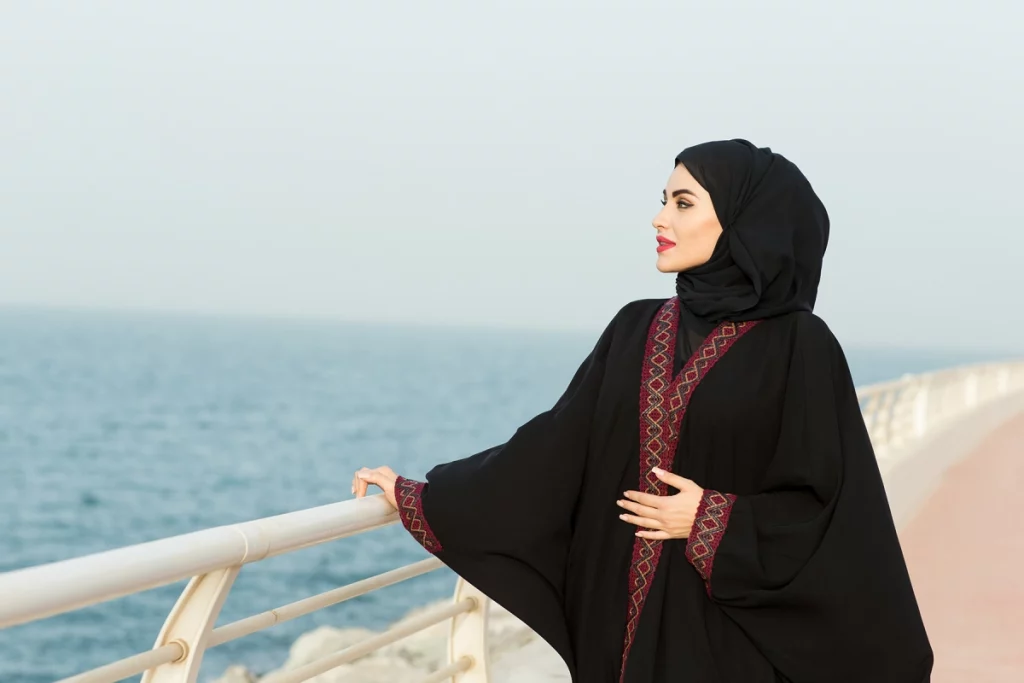
- Abaya and Thobe: The abaya, a flowing black robe worn by women, and the thobe, a long white garment worn by men, are staple pieces in the wardrobes of GCC royals. These garments are not just about modesty; they also represent elegance and sophistication. Royal abayas and thobes are often adorned with intricate embroidery, delicate beading, and luxurious fabrics, setting them apart from everyday attire.
- Bisht: The bisht is a traditional cloak worn by men over the thobe during formal occasions. Made from fine wool and often decorated with gold embroidery, the bisht is a symbol of status and authority. It is commonly worn by GCC kings, princes, and high-ranking officials during important ceremonies and gatherings.
- Ghutra and Sheila: The ghutra, a traditional head covering for men, and the sheila, a headscarf worn by women, are essential components of royal fashion. The way these items are draped and styled can convey a great deal about the wearer’s status and regional identity. For example, the red-and-white checkered ghutra is particularly associated with Saudi Arabia, while the plain white version is popular across the entire region.

2. Modern Influences and Globalization
While tradition is central to royal fashion in the GCC, modern influences have also made their mark. The younger generation of royals, especially women, have been at the forefront of blending tradition with contemporary style.
- Haute Couture and Designer Labels: Royals in the GCC are known for their patronage of high fashion. Many royal women, in particular, are seen wearing couture pieces from internationally renowned designers. This embrace of global fashion houses has led to a unique fusion of traditional and modern elements, where luxurious fabrics and elaborate designs are paired with traditional garments.
- Western Influence: The influence of Western fashion is evident in the tailoring and embellishments of traditional garments. For instance, abayas now often feature modern cuts, asymmetrical designs, and even elements like belts and capes, blending Western aesthetics with traditional modesty.
3. Sustainability and Ethical Fashion
In recent years, there has been a growing emphasis on sustainability within royal fashion in the GCC. As global awareness of environmental and ethical issues increases, GCC royals are increasingly supporting sustainable fashion initiatives and local artisans.
- Support for Local Artisans: Royals have been instrumental in promoting and preserving traditional crafts, such as weaving and embroidery. By commissioning bespoke pieces from local artisans, they help sustain these age-old crafts while also ensuring that their fashion choices are rooted in cultural authenticity.
- Sustainable Fashion Initiatives: Some GCC royals are also leading the way in promoting sustainable fashion by supporting brands that prioritize ethical practices and environmentally friendly materials. This commitment to sustainability is gradually influencing the wider fashion industry in the region.
4. Cultural Diplomacy through Fashion
Fashion plays a significant role in the diplomatic engagements of GCC royals. The way they dress during international visits and official events often conveys cultural messages and reflects their countries’ values.
- Cultural Representation: When traveling abroad, GCC royals often wear traditional garments, which serve as a powerful statement of cultural pride and identity. This not only fosters a sense of national unity but also helps bridge cultural divides.
- Fashion as a Diplomatic Tool: GCC royals have also been known to incorporate elements of the host country’s fashion into their attire as a gesture of goodwill. This blending of styles serves as a symbol of mutual respect and understanding between nations.
5. Conclusion
Royal fashion in the GCC is a captivating blend of tradition, modernity, and prestige. It reflects the region’s rich cultural heritage while also embracing contemporary global influences. As GCC royals continue to navigate the balance between tradition and modernity, their fashion choices will undoubtedly remain a subject of fascination and admiration, both within the region and beyond.
This unique fusion of the old and the new, the traditional and the modern, not only showcases the elegance and sophistication of GCC royals but also serves as a powerful symbol of the region’s identity on the global stage.