




For thousands of years, gold has been regarded as a symbol of wealth, power, and stability. From ancient civilizations to modern central banks, gold has maintained its value unlike almost any other commodity. But why did humanity choose gold instead of iron, copper, silver, or other precious materials?
Here are the main reasons.
1. Gold Is Extremely Rare


5
Gold is naturally scarce. All the gold ever mined in human history is estimated to fit into a cube roughly 22–23 meters on each side. Because it is difficult to find and extract, gold has always been valuable.
2. It Doesn’t Rust or Corrode


5
Unlike iron, copper, or silver, gold does not rust, tarnish, or corrode under normal conditions. Gold artifacts buried for thousands of years often look almost identical to when they were made.
This durability made it an ideal store of wealth across generations.
3. Easy to Divide Without Losing Value
Gold can be melted and recast into:
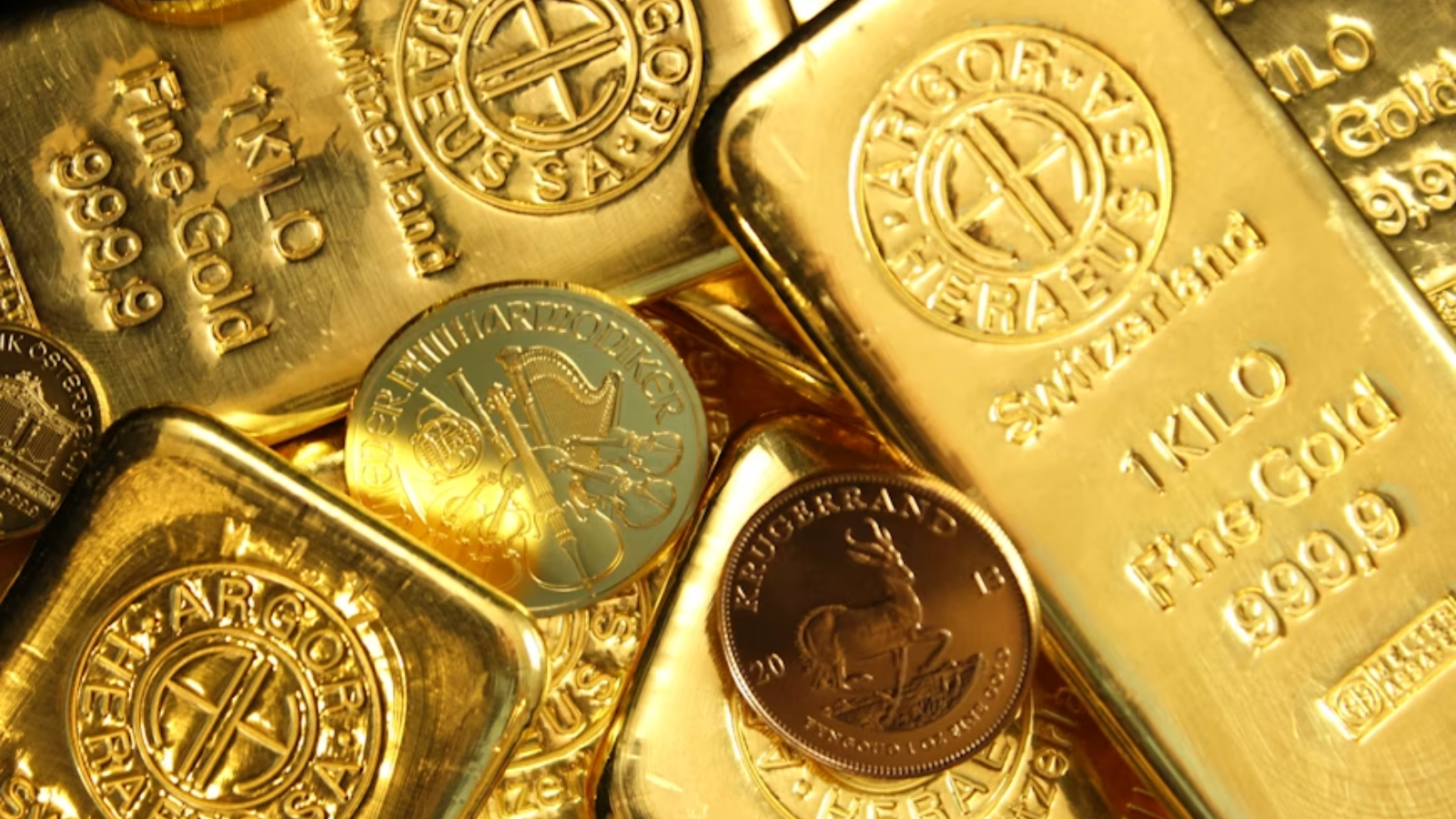
- Coins
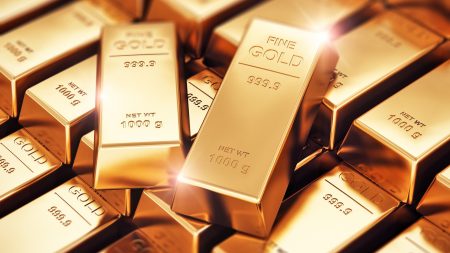
- Bars
- Jewelry
- Small pieces
Unlike diamonds or gemstones, dividing gold into smaller pieces does not significantly reduce its intrinsic value.
4. Easily Recognizable


5
Gold has a distinctive yellow color, high density, and unique physical properties. These make it relatively easy to identify and difficult to counterfeit compared with many other materials.
5. High Value in a Small Size
One kilogram of gold is worth far more than one kilogram of most metals.
This makes gold portable. Throughout history, merchants and rulers could transport substantial wealth in a relatively small amount of gold.
6. Universally Accepted
Gold has been valued across civilizations, including:
- Ancient Egypt
- Mesopotamia
- India
- China
- Greece
- Rome
- Islamic empires
- European kingdoms
Because many cultures independently valued gold, it became an international medium of exchange.
7. Limited Supply
Gold cannot simply be manufactured.
New mining adds only a small percentage to the world’s total above-ground gold each year, helping preserve its scarcity.
8. Gold Was Used as Money


6
For centuries, countries minted gold coins as currency.
Later, many nations adopted the Gold Standard, under which paper money could be exchanged for a fixed amount of gold. Although most countries no longer use the gold standard, this history reinforced gold’s reputation as a store of value.
9. Central Banks Still Hold Gold
Today, central banks around the world continue to hold thousands of tonnes of gold as part of their foreign exchange reserves.
Gold serves as a reserve asset that can help diversify holdings and retain value during periods of economic uncertainty.
10. Psychological Value
Gold has long been associated with:
- Royalty
- Success
- Prosperity
- Achievement
- Luxury
This cultural significance has reinforced demand over thousands of years.
Could Another Metal Replace Gold?
Some metals share some of gold’s characteristics:
| Metal | Advantages | Limitations |
|---|---|---|
| Silver | Valuable, widely used | Tarnishes more easily and is more abundant |
| Platinum | Rarer than gold | Industrial demand causes greater price swings |
| Palladium | Very rare | Primarily industrial use |
| Copper | Useful and abundant | Too common to serve as a store of wealth |
No other metal combines rarity, durability, divisibility, portability, and widespread historical acceptance as effectively as gold.
Is Gold Still Important Today?
Even though modern currencies are no longer backed by gold, it remains important because:
- Investors often view it as a hedge during periods of inflation or geopolitical uncertainty.
- Central banks continue to maintain significant gold reserves.
- It is widely used in jewelry and certain industrial applications, including electronics.
- It remains one of the most recognized stores of value worldwide.
Conclusion
Gold became the world’s wealth standard because it combines qualities that are difficult to find together in any other material: rarity, durability, portability, divisibility, and widespread acceptance. While today’s financial system relies mainly on fiat currencies, gold continues to play an important role as a reserve asset and a long-term store of value, reflecting thousands of years of economic and cultural trust.