



4
Learjet 45 (LJ45): A High-Speed Super-Light Icon
The Learjet 45 (LJ45) is a mid-size business jet developed by the Learjet Division of Bombardier Aerospace. Introduced in the late 1990s, it marked a major turning point for Learjet—being the company’s first all-new (“clean-sheet”) aircraft design since the original Learjet 23.
Designed to compete in the super-light business jet segment, the Learjet 45 blended light-jet operating costs with mid-size jet performance, prioritizing speed, range, and payload over stand-up cabin height.
Development & Entry Into Service
- Development began: 1989
- First flight: 7 October 1995
- FAA certification: 1997 (FAR Part 25 – Transport Category)
- First delivery: Mid-1998
- Production period: 1995–2012
- Total built: 642 aircraft
The Learjet 45 faced early certification delays and initial production issues, frustrating early customers. However, once matured, it became one of the most widely used Learjets of its era.
Design Philosophy
Cabin & Comfort
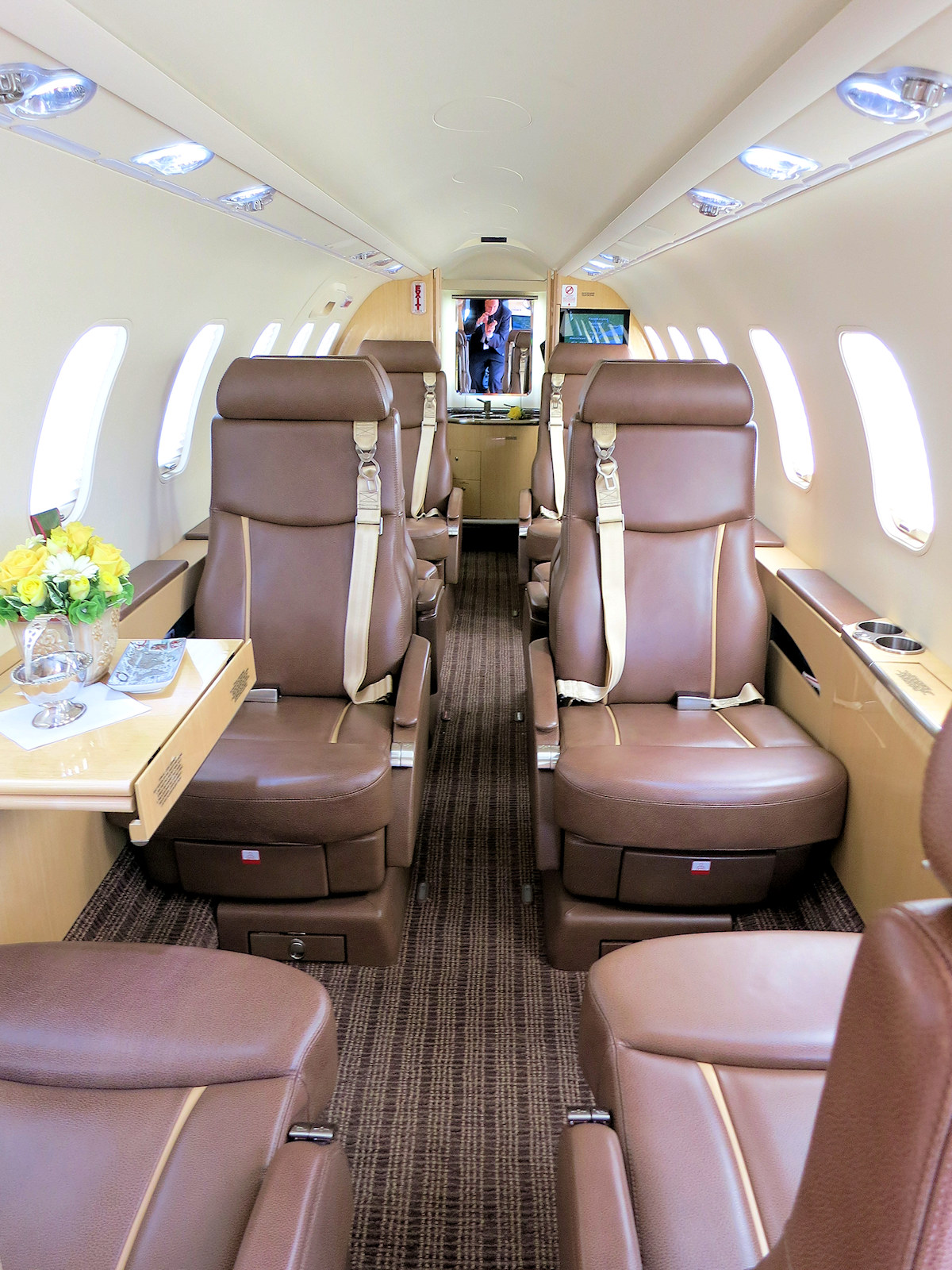
- Flat-floor cabin with non-circular cross-section for added headroom
- Typical seating for 8 passengers (double-club layout)
- Fully enclosed lavatory (can serve as a 9th seat)
- Internal (15 cu ft) + external (50 cu ft) baggage compartments
Flight Deck
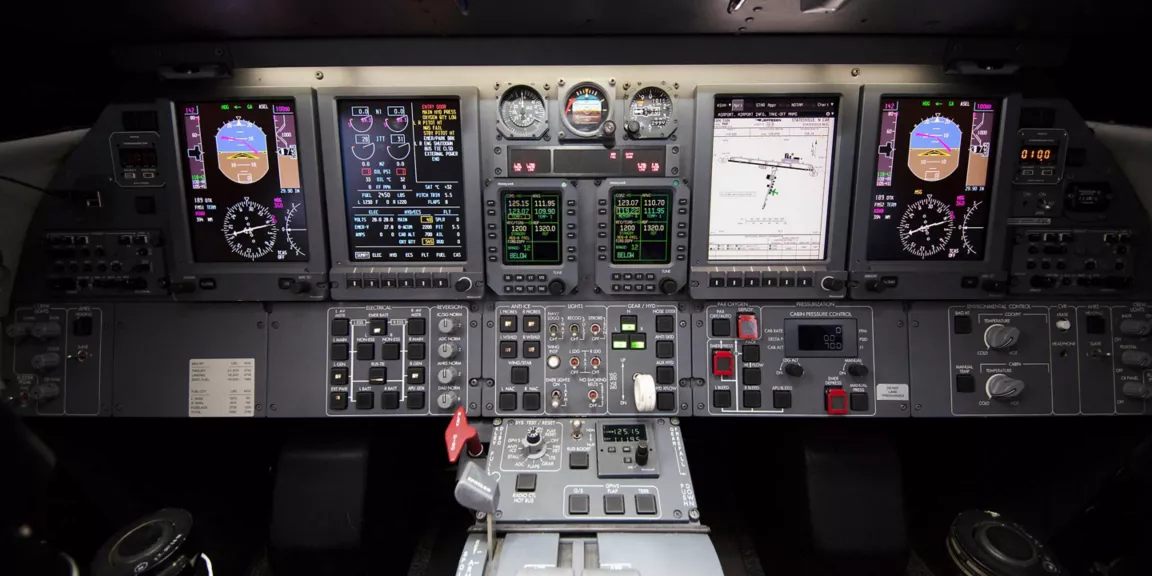
- Honeywell Primus 1000 EFIS with four CRT displays
- Known drawback: high maintenance costs due to obsolete CRT technology
- Optional LCD retrofit available
Performance Highlights
- Cruise speed: ~445 knots
- Maximum speed: ~463 knots
- Range: ~1,971 nautical miles (4 passengers)
- Service ceiling: 51,000 ft
- Takeoff distance: ~4,200–5,040 ft (depending on weight & conditions)
Powered by Honeywell TFE731-20 series engines, the Learjet 45 delivered excellent cruise efficiency but was initially criticized for weak hot-and-high performance—later resolved in upgraded variants.
Variants Overview
Learjet 45XR
- Introduced in 2004
- Upgraded TFE731-20BR engines
- Higher takeoff weight (+1,000 lb)
- Better hot-and-high performance
- Shorter runway requirements (~4,000 ft)
Learjet 40 / 40XR
- Shortened fuselage version
- Reduced passenger capacity
- Similar performance profile
- No APU in early Model 40 versions
Learjet 70 & 75
- Evolution of the 45XR platform
- Garmin 5000 avionics
- More powerful engines
- Learjet 75 became the final and most refined version
- Learjet 70 discontinued due to low demand
Operational Challenges & Reputation
Early Issues
- Electrical and pressurization faults
- Windshield cracking
- FAA grounding in 2003 due to stabilizer fastener defect
Long-Term Verdict
By the mid-2010s, most reliability issues had been resolved. Industry reviews now describe the Learjet 45 as:
“A rock-solid, gas-and-go workhorse.”
Used aircraft prices typically range between USD 1.5–4.9 million, depending on condition and upgrades.
Operators
The Learjet 45 has served widely in:
- Government & military aviation
- Air ambulance operations
- Charter and corporate fleets
Notable operators include air forces, emergency medical services, and private aviation firms across Europe, Asia, the Middle East, and the Americas.
Why the Learjet 45 Still Matters
The Learjet 45 reshaped the Learjet brand by:
- Introducing modern certification standards (FAR Part 25)
- Delivering exceptional speed for its class
- Setting the foundation for later models like the Learjet 75
Even today, it remains a benchmark super-light jet for operators who value speed, climb performance, and proven design.